
Why Car Insurance Rates Change at the Start of the Year (And What to Do About It)

Monica Alarcon is a Senior Content Writer at Confie, where she ensures that every piece of content is accurate, clear, and consumer-focused. Her role combines writing with editoria...

Cyndi Wright is the senior copywriter and content manager at Freeway Insurance. With a career that has spanned many facets of writing across a variety of platforms, Cyndi loves to ...

Rose Carter is an accomplished content strategist and marketing leader with a proven track record of creating impactful, results-driven content. With expertise in writing, editing,...

While it feels personal when your insurer raises your premiums with your January notice, it’s not. But why insurance rates change depends on a lot of factors. You’ll likely see an auto insurance rate increase near the start of the year because policies renew on a calendar basis and insurers roll out pricing updates at the same time.
The reason insurance rates change is that everything else in the economy is becoming more expensive (repair costs, hiring costs, regulations), and that all trickles down. But here’s what you can do about it when you get an auto insurance quote from Acceptance Insurance.
Why Insurance Rates Often Change at the Beginning of the Year
Your premiums will increase at renewal, not randomly in the middle of your policy. Rate changes often happen at renewal, and January gets that reputation because policies often renew then. Something else to keep in mind is that claim trends and ZIP code loss experience evolve continuously. Ultimately, it’s about timing and math, not a personal attack on your financial circumstances.
The Biggest Reasons Insurance Rates Increase Year-Round
“Why did my car insurance rate go up?” The answer is usually: Claims are costing more to settle or there are more claims happening due to natural disasters. That’s the main reason why insurance rates change. That’s the core reason why insurance premiums go up. This applies even if you’re the most careful driver in the world. As long as inflation remains high, everything that insurers have to pay for also increases in cost every day.
Rising Repair and Replacement Costs
Repair costs have been stubbornly high, and that makes car insurance rates increase, too. The U.S. Bureau of Labor Statistics shows the Consumer Price Index category for motor vehicle maintenance and repair was up 5.4% year-over-year as of December 2025. That’s a big reason why policies have also gotten more expensive.
Increased Claims and Accident Frequency
Claims have been going up across the entire American auto economy. And when claims rise, or accidents cause more expensive damage, then the cost of those outlays increases too. This applies to medical costs, injuries, regional weather events, etc. All of that additional property damage and those additional repairs add up, to say nothing of liability costs going up, too, which means that higher car insurance costs are the new normal.
Inflation and Insurance Economics
Ok, so claims are going up. “Inflation and insurance” is basically the answer: inflation raises claim costs, and premiums adjust to match. Why insurance premiums go up is basically the same reason everything else is increasing in price, too. On top of that, premiums have been increasing faster than overall inflation. Other factors apply to insurers too, since they also need to employ people and manage their own cost structures.
State-Level Insurance Regulations
Auto policies are regulated state by state, so price changes don’t arrive the same way everywhere. For example, if your rate went up in California last year, it could be because the state raised required minimum liability limits effective January 1, 2025. This can increase premiums because the minimum amount of coverage is higher.
The National Association of Insurance Commissioners describes systems like prior approval (rates must be approved before use) and more competitive “file” systems. In stricter states, changes can be delayed and then show up more suddenly when approved; in more flexible states, changes may move through more gradually.
What a Rate Increase Does and Doesn’t Mean
“But why did my car insurance rate go up, specifically?”
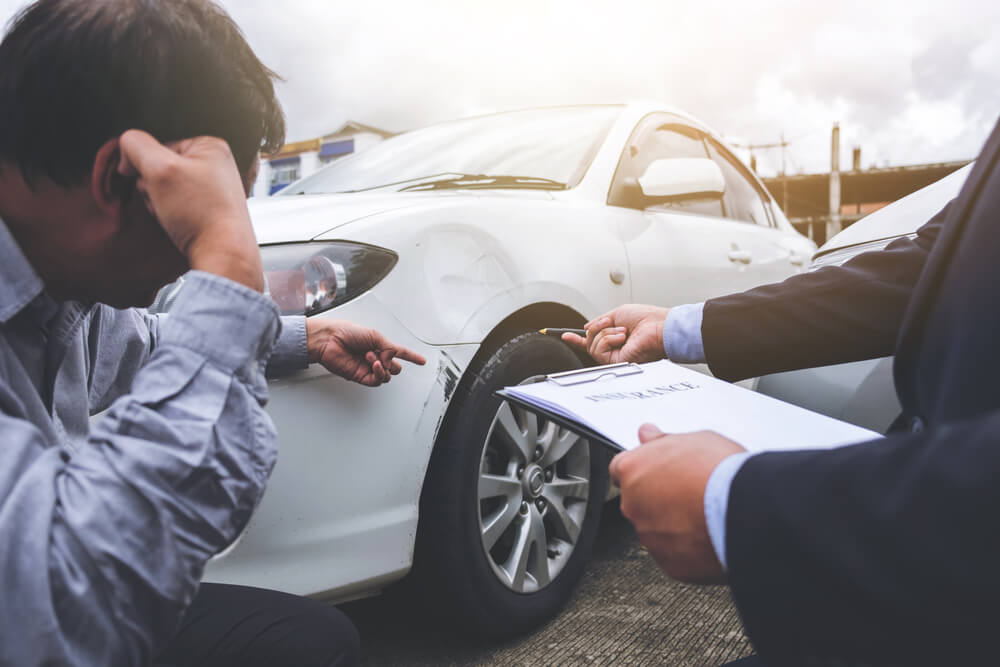
A premium increase doesn’t automatically mean you’re “high risk,” that you did something wrong, or that your insurer is punishing you. It can mean that costs in your specific area went up, repairs are more expensive, or that your state approved an update to regulated rates. All of that causes auto insurance increases to happen.
This can also happen if you make changes to your policy. Personal factors can still matter (tickets, accidents, claims, credit-based factors where permitted), but market-wide factors are often the bigger culprit. The fastest way to separate the two is by comparing your old vs. new declarations pages, asking your insurer what changed and reviewing your policy regularly.
What Drivers Can Do When Insurance Rates Go Up
Increasing premiums are a fact of life in why insurance rates change. But that doesn’t mean there aren’t things you can do to improve the situation. These options include making sure you have the right coverages, the right-sized deductible, and talking more with your agent about what’s happening.
Review Your Coverage and Deductibles
To stave off higher car insurance costs, start by verifying you’re comparing the same coverages and limits. Then decide what you actually need. Raising your deductible usually lowers your premiums, but make sure that you can actually self-insure/pay out of pocket for things you would have otherwise filed a claim for.
If you have an older vehicle that’s been long since paid off, you can also choose different physical damage coverage. Finally, with respect to liability limits, minimums can be low relative to real-world crash costs. Cutting here might be a bad idea.
Avoid Coverage Gaps
Coverage lapses can make the next price jump worse. These things can happen for a variety of reasons, of course. For example, if you stopped driving for a period of time (and therefore had no need for a car policy), then you might be shocked at the price jump you see at the time you purchase your next policy, both because you’re perceived as a higher risk as well as due to regular inflation. If the issue is due to cash flow, ask about payment options before a cancellation happens.
Talk to an Agent About Your Options
Shopping around after car insurance rates increase can help if you’re trying to figure out why insurance rates change, but only if you compare like-for-like coverage. An Acceptance agent can help you spot missing protection, match deductibles across quotes, find discounts that make sense for your situation, and make sure you’re right-sized. This is especially good if your driving situation has historically been a bit messy.
Explore Coverage Options That Fit Your Budget With Acceptance
We’re here to help at Acceptance Insurance — and our job is first and foremost to help you fend off higher car insurance costs. As our name might suggest, we work with you to find the most acceptable policy for your situation. If you’re on the hunt for an auto policy that doesn’t break the bank despite what’s happening with inflation in the wider economy, give us a call. You can get a quote online, call us at (877) 405-7102, or visit one of our offices in person for a friendly chat. See you there!
FAQs
Do Insurance Rates Always Increase at the Start of the Year?
Nope, not necessarily. But why insurance rates change depends on your policy. The rates themselves can go up when you renew, but that renewal date may not be at the start of the year. If your policy kicked off in July, you’ll see it in July. But many renewals do happen in January, so any changes that the actuaries are making in the backend that cause car insurance rates increases will show up then.
Can Switching Coverage Lower My Insurance Cost?
Sometimes, although the exact answer to why insurance premiums go up is the same thing that makes switching coverage a not-sure bet — remember, inflation and insurance run hand in hand, especially in this economy. Adjusting deductibles, right-sizing physical-damage coverage, and confirming discounts can reduce premiums. But you do want to make sure you’re not just buying a cheap policy that leaves your actual bank account exposed to liability. You don’t want to make a too-quick or hasty decision when auto insurance rate increases happen.
Does a Higher Rate Mean I’m High Risk?
“Why did my car insurance rate go up? Am I riskier?” Not necessarily. Market-wide costs (repairs, injuries, local claim trends) can raise prices for everyone. And that’s happening a lot in this current market situation (inflation in medical expenses, property repairs, etc).
Is Switching Insurance the Only Way to Handle a Rate Increase?
No. You can also correct errors, update mileage, change deductibles, apply discounts, or adjust coverage. Of course, if you are going to switch, Acceptance has your back.
Can My Location Impact Insurance Rate Changes?
Yes. ZIP code claim experience (accidents, theft, weather, repair costs) and state rules both influence what you pay.

Ready to Get a Quick Quote?

