
Winter Storm Claims: What’s Actually Covered Under Your Home Insurance?

Samantha Seaman is a results-driven content strategist and copywriter known for building purposeful marketing strategies that connect, convert, and drive brand loyalty. She has par...

Cyndi Wright is the senior copywriter and content manager at Freeway Insurance. With a career that has spanned many facets of writing across a variety of platforms, Cyndi loves to ...

Rose Carter is an accomplished content strategist and marketing leader with a proven track record of creating impactful, results-driven content. With expertise in writing, editing,...
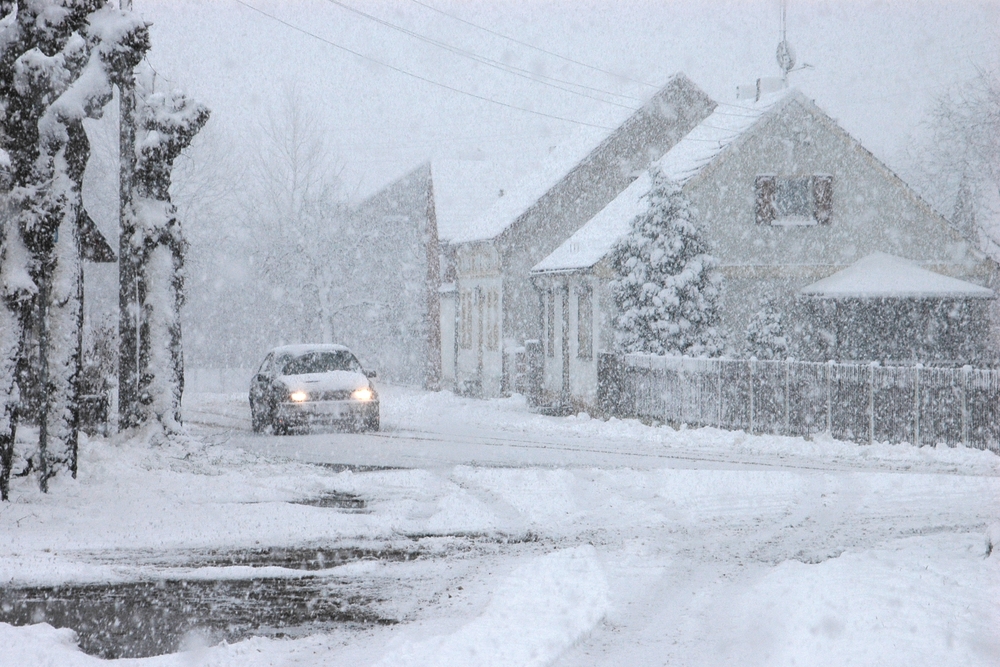
The ceiling is starting to drip, and it’s the middle of February. Winter storms can turn a normal week into a stressful one very quickly. From clogged gutters and loose shingles to snow piling up where it shouldn’t, cold-weather storms can cause a range of unexpected problems. That’s why it’s important to understand what your home insurance covers during the winter months—and which repairs may end up coming out of your own pocket.
The reality is that homeowners insurance isn’t for old roofs or outside water (floods). It’s for sudden problems, also known as “covered perils.” This guide will help you figure out exactly what’s covered by your policy so you know what to expect if things go wrong. Speaking of which, Acceptance Insurance can help you get the right policy for your needs, so don’t forget to get an affordable homeowners insurance quote online today!
What Winter Storm Damage Home Insurance Typically Covers
What does winter storm home insurance cover in this type of situation? The basics that tend to be part of a typical policy include certain storm types (like aforementioned winter storms), but causes do matter. Weight of ice and snow, sudden water damage (with an emphasis on “sudden”), and wind can all damage your property and usually constitute a so-called “covered peril.” A simple rule: covered risks are sudden but not gradual.
Ice, Snow, and Wind Damage
The three horsemen of the winter storm apocalypse are ice, snow, and wind. Each of them comes with its own set of problems. They are:
- Wind: If wind tears shingles, rips siding, or knocks a tree limb onto your roof, that’s the classic storm damage insurance claim. Usually covered, but you’ll often pay your deductible for that type of claim.
- Ice/Snow Weight: Ice is heavier than snow, so accumulated ice increases the roof load more quickly and raises the risk of damage. Many homeowners policies list “weight of ice, snow, or sleet” as a covered peril, which is why snow damage home coverage often applies when roofs or attached structures get damaged from buildup.
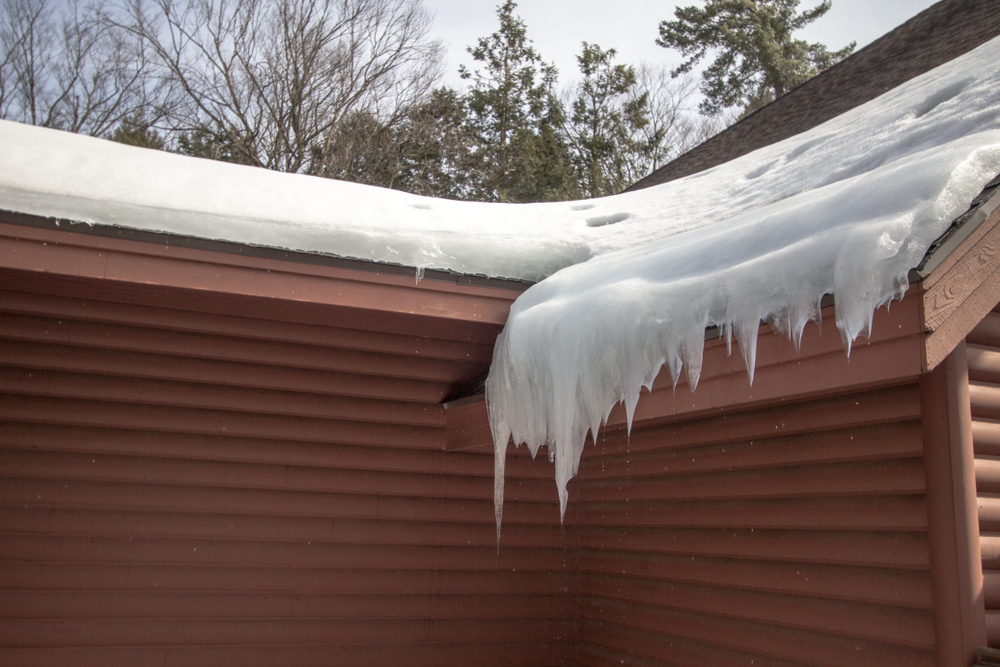
- Ice Dams: Ice can cause direct damage, and ice dams can lead to water backing up under shingles and leaking into the home.
Roof Collapse and Structural Damage
This type of situation is fairly straightforward from a claims-filing perspective, although it’s highly unfortunate. If your roof collapses due to heavy snow, that’s typically a covered peril. This can also extend to attached structures such as porches or carports. It may also cover your garage (a detached one), but check your roof damage insurance policy to make sure.
Frozen or Burst Pipes
A burst pipe claim is one of the most common winter problems. Water freezes, expands, and cracks the pipe. After that, water can wreck drywall, flooring, cabinets, and your property. Before going on vacation when it’s cold out, set your thermostat to at least keep your home slightly heated (50-60 degrees).
Additional Living Expenses After Damage
If winter storm damage makes your home unlivable, your policy may include Additional Living Expenses (ALE), sometimes also called Loss of Use. The NAIC explains that ALE can help cover temporary housing costs (like a hotel or short-term rental) if you can’t stay in your home after a covered disaster.
What Home Insurance Usually Does Not Cover in Winter Months
On the flip side are things that your policy won’t cover. That’s called the “exclusions” section of your policy. Home insurance exclusions can include damage caused by neglect, flooding, and things that happen over time (gradual damage, or wear and tear). Here’s what you need to know.
Damage Due to Poor Home Maintenance
Homeowners insurance basics: It’s for sudden events, not slow neglect. If the damage is mainly because something wasn’t maintained, you may get a denial. Lack of maintenance can, for example, look like a roof that was already failing and finally started leaking, long-term gaps around windows or doors you never sealed, or a slow leak that kept dripping until mold showed up.
Flooding From Melting Snow
Ice damage insurance? That’s straightforward. But flooding is actually a tricky issue. If the water is coming from outside, like a river or lake, that’s something that you’ll need specialized flood insurance for. If you do have snowmelt risk where you live, consider getting a separate flood policy or specific endorsements.
Gradual Wear and Tear Issues
Insurance usually does not cover normal aging of a roof, gradual rot, long-term seepage, or mold that grows because a leak wasn’t handled. Again, to reiterate that common rule of thumb: Sudden, accidental water damage (like a pipe bursting) is treated very differently than a slow leak that has been going on for months.
When You Should File a Winter Storm Claim
Filing winter weather claims can help you recover, but it can also be a hassle. So when is it worth it? Ultimately, it comes down to your personal financial situation.
Signs Damage Is Severe Enough to Report
Definitely look into filing a claim if you have missing shingles, a sagging roof, or major structural damage. A burst pipe or other plumbing disaster also qualifies. If your house isn’t livable or safe anymore, then it’s time to file.
Also, look at your deductible. Losses below your deductible mean that you’ll be paying the full price out of pocket. And some types of deductibles, also known as “special deductibles,” can sometimes be larger than you would expect, especially wind or named-storm deductibles.
When Waiting Could Cost You More
If damage is ongoing, waiting can make it worse (and more expensive). To protect your home value, take pictures, make temporary repairs if needed, and get those receipts. Do avoid permanent repairs before your insurer can inspect the damage, if possible. Temporary repairs can be things like tarping a roof, shutting off water, or safely drying wet areas. Document as you go.
How to Prepare Your Home Before Winter to Avoid Claims
You can’t control the weather. But you can control a bunch of small things that lower your odds of a nasty winter claim. The key is to remember the classic adage: an ounce of prevention is worth a pound of cure.
Weather-Proofing and Inspections
Never forget these winter weather insurance tips: Before the deep cold, check for missing shingles and loose flashing, clean gutters so meltwater can drain, seal obvious drafts around doors and windows, and trim weak branches near the roof. All of these steps help to avoid the most common causes of winter claims.
Protecting Pipes and Roofing
For pipes, think simple: insulate exposed pipes (basement, crawlspace, garage), keep a steady indoor temp, and know the location of your main shutoff valve. Pay special attention to anything that is exposed. For roofs, watch for heavy buildup and signs of strain, especially if you have a flatter roof or areas where snow tends to pile.
Documenting Home Inventory Early
If a storm ruins your belongings, you’ll need to prove what you owned. Doing a quick “inventory walk” now can save you later. A simple approach is to video each room, photograph big-ticket items, and save receipts when you can. Experts also recommend taking pictures and keeping records of cleanup and repair costs, as mentioned earlier. Documentary evidence is a big deal when filing a claim.
Stay Protected This Winter — Get Home Insurance You Can Rely On
Winter storms don’t ask permission. If you’re unsure whether your current coverage is strong enough (or you just want plain-English clarity), review your policy now that you’ve read this home insurance coverage guide. To obtain Acceptance Insurance home coverage, visit our website to get an insurance quote today, give us a call at (877) 405-7102, or stop by one of our office locations to speak with an agent in person!
FAQs
Does Home Insurance Cover Ice Dams on My Roof?
Sometimes. If an ice dam causes water to leak into your home and damages the ceilings or walls, that damage may be covered. But ice dam removal may not be covered, and coverage depends on your policy and the cause. That might be treated more like general maintenance rather than a covered peril.
Does My Policy Pay for Hotel Stays After Winter Damage?
If you can’t live in your house, and you have a covered loss, then ALE (Additional Living Expenses – Loss of Use) can help pay for short-term housing like a hotel room or Airbnb. Keep receipts and ask about limits when you’re shopping for a new policy.
Are Frozen Pipes Always Covered by Homeowners Insurance?
Not always. Frozen or burst pipes are commonly covered, but many policies require reasonable prevention steps (like maintaining heat or draining lines if you’re away). Again, things that happen suddenly = you’re covered, but things that happen over time = no luck.
Is Roof Snow Load Damage Considered a Covered Peril?
Yes, snow that causes damage to your roof is often a covered peril. “Weight of ice, snow, or sleet” is exactly listed as a covered peril on many policies.
Do I Need a Separate Policy for Flooding From Melting Snow?
Usually, yes. Flood damage is typically excluded from homeowners insurance, and FEMA notes flood insurance is a separate policy. FEMA also runs the FEMA flood map service center that allows you to see if you’re in a danger zone.

Ready to Get a Quick Quote?

