
Does Boat Insurance Cover Storm and Flood Damage?

Ashley Walrath is a results-driven content strategist and copywriter known for creating clear, engaging content that connects brands with their audiences while supporting measurabl...

Erandi García is an Acceptance Bilingual Senior Copywriter. With nearly 10 years of experience in content creation, her career has allowed her to explore the world through internat...

Rose Carter is an accomplished content strategist and marketing leader with a proven track record of creating impactful, results-driven content. With expertise in writing, editing,...
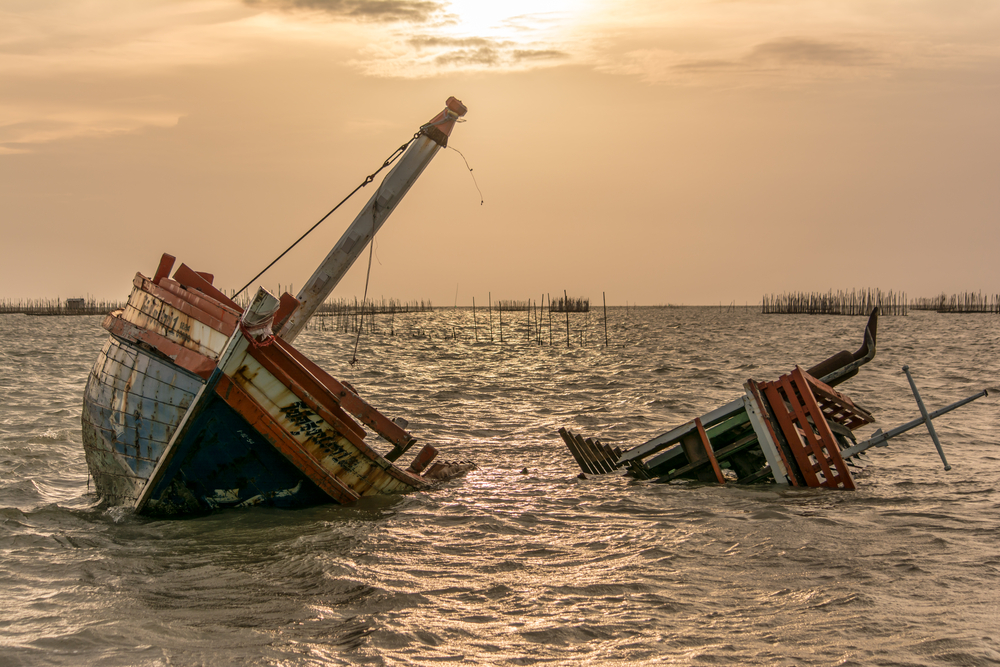
Severe weather can damage a boat at the dock, in storage, or even while it’s secured on a trailer. If you live in an area that experiences hurricanes, flooding, or strong storms, it’s important to know what your boat insurance covers before bad weather arrives.
Boat insurance may cover damage caused by wind, hail, lightning, and other weather events, depending on your policy. Coverage for flooding, storm surge, and named storms can be more complicated. Here’s what to look for in your policy and how to prepare your boat before severe weather.
Key Takeaways
- Boat insurance may cover damage caused by storms, hurricanes, wind, hail, and other weather events, depending on the policy.
- Flood and storm surge coverage can vary, so boat owners should check their policy for exclusions or limitations.
- Your deductible and whether you have agreed value or actual cash value coverage can affect how a covered loss is paid.
- Some policies have specific requirements or coverage conditions for named storms, storage, navigation areas, or hurricane preparation.
- Documenting your boat before and after a storm can make the claims process easier.
How Boat Insurance Handles Storm and Hurricane Damage
A boat insurance policy may provide physical damage coverage for losses caused by storms and severe weather. This coverage is different from liability insurance, which generally helps with injuries or property damage you’re responsible for causing to someone else.
Depending on the policy, covered weather events may include wind, hail, lightning, rain, or damage caused by storm debris.
For example, strong winds could damage a boat’s canvas or equipment, while flying debris could damage its hull. Lightning could also damage onboard electronics.
Coverage isn’t identical from one boat insurance policy to another. Your deductible, exclusions, coverage territory, boat storage location, and other policy terms can all affect whether a loss is covered and how much the insurer pays.
Storm Perils Typically Covered by a Boat Insurance Policy
Depending on your policy, physical damage coverage may apply to several types of weather-related damage, including:
- High winds damaging canvas, sails, or enclosures
- Hail damaging the hull or other parts of the boat
- Lightning damaging onboard electronics
- Rainwater damage associated with a covered storm
- Storm debris damaging the hull or equipment
- Damage associated with a covered sinking
Your policy may also provide coverage for permanently attached equipment, such as motors and navigation equipment. Personal belongings and removable equipment may have separate limits or exclusions.
Wreck removal is another coverage to review. Some boat insurance policies may help with the cost of removing a boat after a covered loss, subject to policy terms and limits.
Because policies vary, check your coverage before assuming a particular type of storm damage is included.
What About Flood, Storm Surge, and Named Storms?
Flooding and storm surge can cause significant damage during hurricanes and tropical storms, but coverage depends on your boat’s insurance policy.
Some policies may cover certain losses caused by rising water or storm surge, while others may have restrictions or exclusions. Named storms can also trigger different policy provisions, such as separate deductibles.
A named storm deductible may apply when a tropical storm or hurricane meets the definition provided in your policy. The deductible and the period during which it applies can vary by insurer.
Your policy may also restrict coverage to a particular geographic area. If you move your boat seasonally or store it somewhere different during hurricane season, check that the location falls within your policy’s coverage territory.
Don’t wait for a storm warning to review these details. Your declarations page and policy documents should explain the applicable deductibles, exclusions, and coverage territory.
Agreed Value vs. Actual Cash Value After Storm Damage
How your boat is valued can affect what you receive after a covered total loss.
Agreed value coverage uses an amount you and the insurer agree to when the policy is written, subject to the terms of the policy. If the boat is considered a covered total loss, the settlement is generally based on that agreed amount, minus any applicable deductible.
Actual cash value (ACV) coverage accounts for depreciation when determining the value of the boat at the time of a covered loss.
This distinction can become especially important with an older boat. A boat that has depreciated considerably since it was purchased could have a much lower actual cash value than its original purchase price.
Partial losses can work differently from total losses. Certain equipment or components may be subject to depreciation even under some agreed value policies.
Review how your policy handles both partial and total losses, so you know what to expect after storm damage.
Special Hurricane and Named Storm Deductibles
Your regular boat insurance deductible may not be the only deductible that applies.
Some boat insurance policies use a separate deductible for hurricanes or named storms, particularly in areas with greater hurricane exposure. This may be a flat amount or a percentage of the boat’s insured value.
For example, if a policy has a percentage-based named-storm deductible, your deductible could be higher than your standard deductible.
Check your declarations page for:
- Your standard deductible
- Any hurricane or named-storm deductible
- How percentage-based deductibles are calculated
- When the named-storm deductible applies
Understanding how insurance deductibles work can make it easier to compare these amounts and prepare for what you may need to pay after a covered claim.
Location, Haul-Out Requirements, and Storage Rules
Where and how you store your boat can affect your coverage.
Some policies include requirements or restrictions involving navigation areas, seasonal storage, or storm preparation. Depending on the policy, there may also be provisions related to moving or hauling a boat when severe weather approaches.
Your policy may offer coverage to help with certain hurricane preparation expenses, but availability, limits, and requirements vary.
Before storm season:
- Confirm your policy’s navigation territory
- Review any storage or seasonal restrictions
- Check for hurricane or named-storm provisions
- Ask whether haul-out or storm preparation coverage is included
- Find out whether your insurer requires specific precautions
If you move or haul out the boat before a storm, keep receipts and take photos showing where and how the boat was secured.
What Storm Damage Is Often Excluded or Limited?
Boat insurance doesn’t cover every type of damage. Common exclusions or limitations may include:
- Normal wear and tear
- Corrosion or deterioration
- Pre-existing damage
- Certain mechanical breakdowns
- Damage related to improper maintenance
- Personal belongings beyond the policy’s limits
The cause of the damage matters. For example, damage directly caused by a covered storm may be treated differently from deterioration that developed over time and became noticeable after the storm.
Boat trailers, fishing equipment, electronics, and other accessories can also have their own coverage limits. Reviewing these details ahead of time can help you avoid common boat insurance mistakes, including assuming equipment or certain types of damage are automatically covered.
How Storms Can Affect Boat Insurance Costs
Boat insurance premiums depend on several factors, and location can be one of them. A boat kept in an area with frequent hurricanes or other severe weather may present different risks than one stored elsewhere.
Factors that may affect your premium include:
- Boat value, size, and type
- Storage or mooring location
- Navigation area
- Boating experience
- Claims history
- Coverage limits
- Deductibles
- How the boat is used
Choosing a higher deductible may lower your premium, but it also means taking on more of the cost after a covered claim.
Discounts may also be available depending on the insurer. Ask about boating safety courses, multiple policies, storage practices, and other potential savings.
Coordinating Boat, Homeowners, and Auto Insurance After a Storm
A major storm can damage more than your boat. Your home, vehicle, boat trailer, and personal belongings could all be affected, and different insurance policies may apply.
Homeowners insurance may provide limited coverage for certain watercraft, but it isn’t a substitute for dedicated boat insurance. Coverage depends on the homeowners policy and the type, size, and use of the boat.
A boat policy may include physical damage coverage along with liability protection and optional coverages such as towing. Trailer coverage can also vary by policy.
The right coverage can be especially important if boating is only one of your recreational activities. Insurance needs can differ for boats, Jet Skis, ATVs, and other summer toys, so check how each vehicle is protected instead of assuming one policy covers everything.
How to Prepare Your Boat and File a Storm Damage Claim
Preparing your boat before severe weather can help reduce damage and make it easier to document a claim if something happens.
Before the storm:
- Follow any storm preparation requirements in your policy.
- Move or haul out the boat if required and safe to do so.
- Secure the boat according to marina and manufacturer recommendations.
- Remove loose gear and personal belongings.
- Take photos or video of the boat’s condition.
- Keep receipts related to hauling, storage, or storm preparation.
Routine maintenance also gives you an opportunity to identify problems before severe weather arrives. Many of the same steps used when preparing your boat for spring can help you check its condition, equipment, and safety gear.
After the storm:
- Put personal safety first.
- Wait until authorities say it’s safe to access the area.
- Photograph damage from several angles.
- Take reasonable steps to prevent additional damage when it’s safe to do so.
- Save receipts for emergency repairs or other related expenses.
- Contact your insurance company or agent promptly.
Your insurer may ask for your policy information, photos, repair estimates, receipts, and details about when and where the damage occurred.
Avoid making permanent repairs until you understand what documentation your insurer needs, unless immediate action is necessary to prevent further damage.
How Acceptance Insurance Can Help Boat Owners
Boat insurance can help protect your vessel from certain unexpected losses, but coverage varies by policy. Understanding your deductibles, exclusions, valuation method, and storm provisions before severe weather arrives can help you make informed decisions about your coverage.
Acceptance Insurance agents can help you compare boat insurance options and review the coverage available for your vessel.
If you already have a policy, take time to review it before hurricane or storm season. If your boat, storage location, or boating habits have changed, your insurance needs may have changed, too.
Protect Your Boat with Acceptance Insurance
Storms can be unpredictable, but your boat insurance coverage shouldn’t be a mystery. Understanding what your policy covers before severe weather arrives can help you prepare your boat and know what to expect if you need to file a claim.
Give us a call at 1-800-321-0899, stop by one of our Acceptance Insurance offices near you, or start a quick quote online.
Frequently Asked Questions About Boat Insurance and Storm Damage
Does Boat Insurance Cover My Boat While It’s on a Trailer During a Storm?
It may. Coverage depends on the boat insurance policy, where the boat is stored, and whether the location falls within the policy’s coverage territory.
The boat and trailer may also be treated differently. Check whether your trailer is included in the boat policy and whether separate limits or coverage requirements apply.
Is My Boat Covered if I Use It as a Full-Time Residence During Hurricane Season?
Not every boat insurance policy covers full-time liveaboard use.
If you live on your boat, tell your insurance company or agent. The insurer may have different underwriting or coverage requirements for a boat used as a primary residence.
Do I Need Separate Flood Insurance for My Boat for Storm Surge Losses?
Flood coverage for boats doesn’t work the same way as flood insurance for a home.
Whether your boat policy covers storm surge or rising water depends on its terms and exclusions. Review the policy or ask your insurance agent specifically how flood and storm surge losses are handled.
Will My Premium Automatically Go Up After I File a Hurricane Damage Claim?
Not necessarily. A future premium change can depend on the insurer, claim history, location, coverage, and other rating factors.
If your premium changes at renewal, you can review your coverage and compare available options.
Can I Switch from Actual Cash Value to Agreed Value Coverage Before Hurricane Season?
Possibly. Whether you can change from actual cash value to agreed value coverage depends on the insurer and its underwriting requirements.
The insurer may require updated information about your boat, including its condition or value. Ask your insurance agent about available options before making a change.

Ready to Get a Quick Quote?

