
What Happens If You Get Into a Car Accident Without Insurance?

Ashley Walrath is a results-driven content strategist and copywriter known for creating clear, engaging content that connects brands with their audiences while supporting measurabl...

Monica Alarcon is a Senior Content Writer at Acceptance, where she ensures that every piece of content is accurate, clear, and consumer-focused. Her role combines writing with edit...

Rose Carter is an accomplished content strategist and marketing leader with a proven track record of creating impactful, results-driven content. With expertise in writing, editing,...
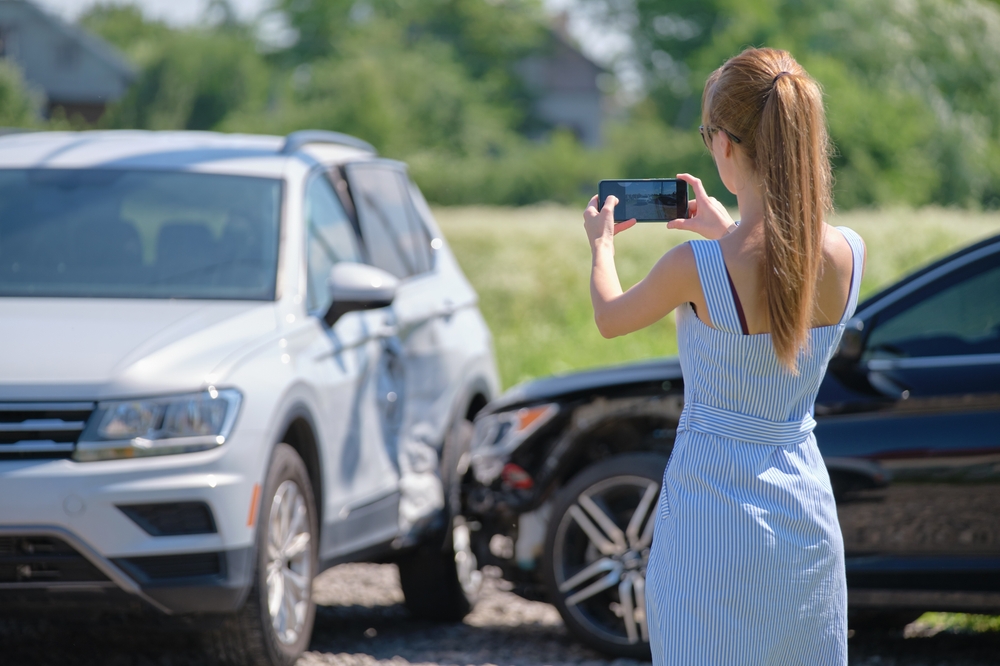
Getting into a car accident without insurance can leave you responsible for costly vehicle repairs, medical expenses, and other damages if you’re at fault. You may also face fines, license suspension, or other penalties for driving without the coverage required in your state.
However, the consequences depend on where the accident happened, who caused it, and whether any other insurance coverage applies. Understanding your rights, responsibilities, and next steps can help you manage the situation and avoid additional problems.
Key Takeaways
- Driving without required car insurance can result in fines, license or registration suspension, and other state-specific penalties.
- If you cause an accident without liability insurance, you may be personally responsible for injuries and property damage.
- Being uninsured doesn’t automatically mean you’re at fault or prevent you from seeking compensation, although some states limit recoverable damages.
- Other insurance policies may help cover certain losses, depending on the circumstances and available coverage.
- Purchasing insurance after an accident won’t cover the previous crash, but it can help protect you against future losses.
What Happens Right After a Car Accident Without Insurance?
The immediate steps after a car accident are similar whether or not you have insurance. Your first priority should be everyone’s safety.
Check for injuries, move to a safe location if possible, and call 911 when someone needs emergency assistance. Contact law enforcement when required by state law or when the circumstances warrant a police response.
Once it’s safe, document the accident by taking photographs of the vehicles, visible damage, road conditions, and surrounding area. Exchange contact and vehicle information with the other driver and collect witness information when available.
Be truthful about your insurance status. Providing false insurance information can create additional legal complications.
Following the appropriate steps after a car accident can help you preserve important information for potential claims or legal proceedings.
What Happens If You Cause an Accident Without Insurance?
If you’re responsible for an accident and don’t have applicable liability coverage, you may have to pay for the resulting damages yourself.
These expenses can include:
- Repairs or replacement costs for another person’s vehicle
- Medical treatment for injured drivers, passengers, or pedestrians
- Lost wages resulting from covered injuries
- Damage to other property, such as fences or buildings
- Other damages recoverable under applicable state law
The amount you may owe depends on the circumstances, applicable liability rules, and the losses involved.
The injured party may seek compensation directly from you or pursue a lawsuit. If a court enters a judgment against you, collection methods may include wage garnishment or property liens where permitted by law. These financial risks are among the potential hidden costs of driving without car insurance.
Why Liability Insurance Matters
Liability car insurance helps pay for covered injuries and property damage you cause to others, up to your policy limits.
Without applicable coverage, you may be personally responsible for those expenses. Even when you carry liability insurance, costs exceeding your policy limits may remain your responsibility. That’s why choosing appropriate coverage limits matters, not just meeting your state’s minimum requirements.
What If the Other Driver Is at Fault and You Don’t Have Insurance?
Being uninsured doesn’t automatically make you responsible for an accident. If another driver caused the crash, you may still be able to seek compensation through their liability insurance. Depending on state law and the circumstances, compensation may include vehicle repairs, medical expenses, and other eligible losses.
However, some states have laws that restrict certain damages available to uninsured drivers. These are sometimes called no-pay, no-play laws, and their requirements and exceptions vary. Your ability to recover compensation may also depend on whether fault is shared between drivers.
Document the accident carefully, keep copies of repair estimates and medical records, and follow the applicable claim procedures. If liability is disputed or you’ve suffered significant injuries, consider seeking advice from a qualified attorney.
Who Pays for Damages After an Uninsured Car Accident?
Who pays after an accident depends on fault, the types of insurance available, and applicable state laws.
| Situation | Who May Pay |
| You cause an accident without liability insurance | You may be personally responsible for the other party’s covered losses |
| Another insured driver causes the accident | Their liability insurance may cover eligible damages, subject to limits and state law |
| The at-fault driver has no insurance | An injured person’s applicable uninsured motorist or other coverage may help |
| You have health insurance | Your health plan may cover eligible accident-related medical treatment |
| Neither driver has applicable coverage | The parties may face out-of-pocket expenses or pursue compensation through legal channels |
Health insurance may help with medical treatment, but it doesn’t replace required auto liability coverage. Depending on the plan and state law, a health insurance company may also have reimbursement rights if you later receive an accident settlement.
Coverage questions can become more complicated in states with no-fault insurance rules or when multiple policies may apply.
Can Uninsured Motorist Coverage Help After an Accident?
Uninsured motorist coverage may help protect an insured person when an at-fault driver doesn’t have liability insurance. Underinsured motorist coverage may apply when an at-fault driver’s liability limits aren’t sufficient to cover eligible losses. Depending on the state and policy, these coverages may help with injuries, property damage, or other covered expenses.
However, if you had no applicable auto insurance at the time of the accident, you typically wouldn’t have uninsured motorist coverage available through your own nonexistent policy. You also can’t purchase coverage after a crash and apply it retroactively to that accident.
What Are the Legal Penalties for Driving Without Insurance?
Driving without required car insurance can result in penalties separate from any responsibility you have for causing an accident.
Possible consequences include:
- Traffic citations and fines
- Driver’s license suspension
- Vehicle registration suspension
- Reinstatement fees
- Proof-of-insurance or financial responsibility requirements
- Additional penalties for repeat violations
The specific consequences depend on your state’s laws, the circumstances of the accident, and your driving history. Most states require drivers to maintain minimum liability insurance or another legally accepted form of financial responsibility. You can review car insurance requirements by state to better understand the rules where you drive.
Will You Need an SR-22 After an Uninsured Accident?
Some states may require an SR-22 filing after certain uninsured driving violations, license suspensions, or other qualifying offenses. An SR-22 isn’t a separate insurance policy. It’s a certificate filed by an insurance company to demonstrate that you maintain the required liability coverage.
Not every uninsured accident results in an SR-22 requirement, and filing rules vary by state. If your state requires proof of financial responsibility, SR-22 insurance assistance can help you understand the available options.
What Should You Do After a Car Accident Without Insurance?
Even if you didn’t have insurance when the accident occurred, taking appropriate steps afterward can help you address the consequences.
1. Get Medical Attention When Needed
Seek medical care for injuries and follow your healthcare provider’s recommendations. Some symptoms may not become noticeable until after the accident. Keep copies of medical records, treatment instructions, and related bills.
2. Collect Accident Documentation
Gather photographs, the police report number, witness information, repair estimates, and correspondence related to the crash. These records may be useful when determining fault, responding to a claim, or addressing legal questions.
3. Respond to Insurance and Legal Notices
Don’t ignore letters from another driver’s insurance company, the DMV, or the court. Review deadlines carefully and consider contacting an attorney if you receive a demand for payment or legal documents you don’t understand.
4. Review Your State’s Insurance Requirements
Find out whether your license or registration has been affected and what you must do to restore your driving privileges. You may need to purchase coverage, pay reinstatement fees, or complete additional steps before legally driving again.
5. Purchase Coverage for Future Protection
Obtaining car insurance after an accident won’t cover the previous collision, but it can help protect you from future covered losses. If your driving record or coverage lapse makes it difficult to find a policy, non-standard auto insurance may be an option worth exploring.
Can You Get Car Insurance After an Accident Without Coverage?
Getting car insurance after an uninsured accident is possible, although your available options and premiums may be affected by your driving history, coverage lapse, or related violations. When requesting quotes, be prepared to provide accurate information about your vehicle, driver’s license, previous insurance history, and any accident-related citations.
Insurance companies may review your driving record and other applicable factors before offering coverage. Compare available policies based on coverage limits, deductibles, payment terms, and any state-required filings. The goal is to find coverage that meets your legal requirements and provides appropriate protection going forward.
Get Back on the Road With Acceptance Insurance
An accident without insurance can create financial and legal challenges, but understanding your responsibilities is an important first step. Acceptance Insurance can help you explore auto insurance options based on your driving history, coverage needs, and budget.
Whether you need to restore coverage after a lapse or find a policy following an accident, comparing available options can help you move forward.
Get a free auto insurance quote online, call 877-405-7102, or find an Acceptance Insurance office near you to discuss your coverage options.
Frequently Asked Questions About Car Accidents Without Insurance
Can I Drive Someone Else’s Car If They Have Insurance but I Don’t?
You may be covered under the vehicle owner’s insurance policy if you have permission to drive, but coverage depends on the policy terms and applicable state rules. Some policies exclude certain drivers or require regular household drivers to be listed. The vehicle owner’s coverage limits and exclusions may also affect protection after an accident. Confirm coverage with the insurance company before driving someone else’s vehicle.
Will Insurance Purchased After an Accident Cover the Previous Crash?
A new car insurance policy generally won’t cover an accident that occurred before the policy became effective. Insurance coverage applies according to the policy’s effective dates and terms. Purchasing a policy afterward may help you meet legal requirements and protect against future covered incidents. Provide accurate information about your driving history when applying for coverage.
Can My Wages Be Garnished If I Cause an Accident Without Insurance?
Wage garnishment may be possible if someone obtains a court judgment against you, and applicable state law permits that collection method. The amount that can be collected and the procedures involved vary by jurisdiction. Certain income or assets may also be protected under state or federal law. If you’re facing a lawsuit or judgment, consider speaking with a qualified attorney about your options.
Does Health Insurance Cover Injuries From a Car Accident?
Health insurance may cover eligible medical treatment following a car accident, depending on your plan and applicable coordination of benefits rules. Deductibles, copayments, and other out-of-pocket expenses may still apply. In some situations, the health insurance company may seek reimbursement from an accident settlement. Contact your health plan to understand how accident-related medical claims are handled.
What If I Was Driving for Work When the Accident Happened?
An accident while driving for work may involve an employer’s commercial auto insurance or other applicable coverage. Whether a policy applies depends on factors such as vehicle ownership, the purpose of the trip, and the policy’s terms. Workers’ compensation may also apply to qualifying employee injuries, depending on state law and the circumstances. Notify your employer promptly and review any relevant insurance or legal requirements.

Ready to Get a Quick Quote?

