
Does Homeowners Insurance Cover Driveway Damage?

Monica Alarcon is a Senior Content Writer at Confie, where she ensures that every piece of content is accurate, clear, and consumer-focused. Her role combines writing with editoria...

Cyndi Wright is the senior copywriter and content manager at Freeway Insurance. With a career that has spanned many facets of writing across a variety of platforms, Cyndi loves to ...

Rose Carter is an accomplished content strategist and marketing leader with a proven track record of creating impactful, results-driven content. With expertise in writing, editing,...
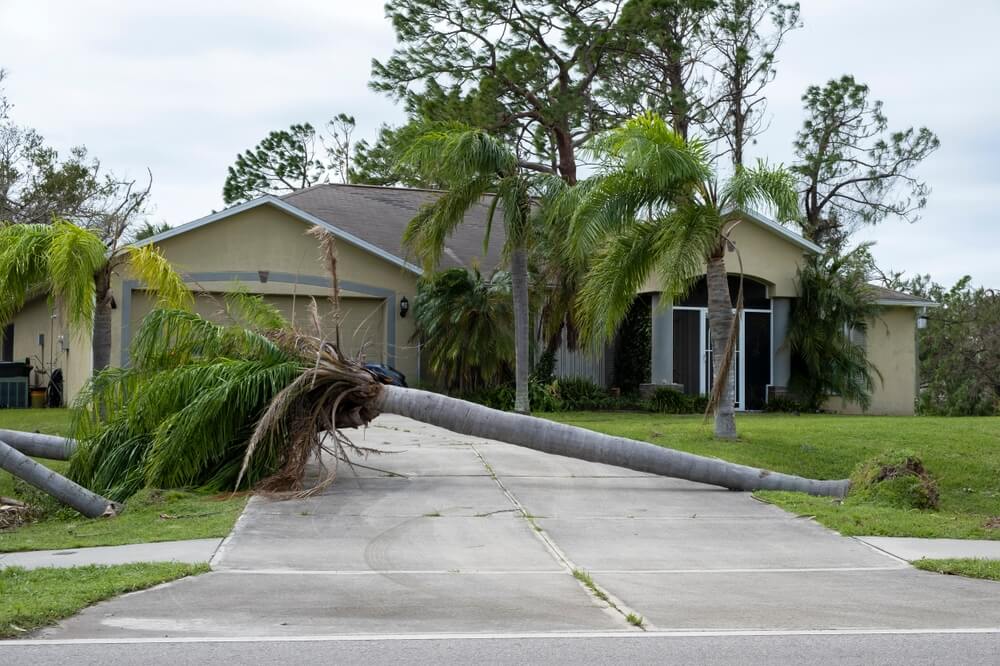
The answer is sometimes yes, if the damage is sudden and accidental, and sometimes no, if it is due to normal wear and tear and other exclusions.
Maintaining your driveway is important for your property’s overall value. If the pavement starts getting cracked and damaged, you may wonder if you can put in a driveway damage claim with your insurance provider. In the case of normal wear and tear, the answer is most likely no.
However, what if a storm sweeps through the area, causing a heavy branch to fall on your driveway, leading to cracks in your concrete? Your insurer may cover it. On the other hand, if your concrete erodes little by little, it likely won’t qualify for reimbursement.
After a certain number of years and some harsh weather and leaking chemicals, the pavement may start cracking or worse. You may wonder, “Does insurance cover driveway cracks?” or “Does homeowners insurance cover driveway damage?” These questions are vital if you notice your primary parking area is starting to deteriorate. Understanding just how your insurance policy works will give you the answers you need.
Deciphering Your Policy: Are Driveways Included?
When you choose a policy, you should ask your insurance agent to carefully go over what is and is not covered, so you understand your homeowners insurance well. A homeowner’s policy can usually be broken down into three main categories. Depending on the insurer, the actual names of these categories can vary. They typically include property, loss of use, and liability. The main one that concerns driveway coverage is the property category. Property coverage is further broken down into the following categories:
- Dwelling
- Other Structures
- Personal Property
Driveway damage claims are listed under “other structures.” Even though you may not view it as a structure, the insurance company usually categorizes it that way. Many times, your home insurance driveway coverage will cover this type of damage. However, it depends on how the damage occurred.
Common Misconceptions About Home Insurance and Driveway Damage
Some people may think that your homeowners policy automatically includes any type of damage that occurs to driveways. However, it might not cover certain things. The one thing to keep in mind is that only “covered perils” will be paid out. A covered peril includes situations that lead to damage or destruction of property. These situations are pre‑determined by your insurance company, but most insurers have similar covered perils such as lightning, fire, wind, and hail. So, the answer to the question, “Does insurance cover driveway cracks?” depends in part on how the cracks got there.
Types of Driveway Damage Covered by Home Insurance
So, does home insurance cover driveways? The answer is yes and no. That’s because it depends on the type of damage. The covered perils in your policy may include things like a tree falling on your paved areas and cracking them. If a tornado touches down and damages it, that may also be included under your policy. Other examples of covered perils are:
- Fires
- Hail
- Other storm damage
- Windstorms
To find out what your homeowners insurance does and doesn’t cover, you can speak to an agent.
Understanding the Limits and Exclusions
If you aren’t familiar with your insurance policy’s limits and exclusions, you may assume that it will cover any type of pavement loss. However, this is not the case, as there are some limitations.
Navigating Policy Exclusions: When Is Your Driveway Not Covered?
When exploring answers to the question “Is a driveway covered by insurance?” you’ll need to be aware that not every type of issue is covered under your policy, and you may not be able to file a driveway damage claim. You can answer this and other homeowners insurance FAQs by taking a closer look at your policy.
Your policy will contain a few exclusions that might fit your situation. It’s helpful to understand these upfront to better protect your assets. You can talk to your agent to understand the exclusions, but these are some of the more common ones:
- Floods
- Earthquakes
- Mudslides
- Various under‑the‑ground movements (i.e., earth settling, bulging, shrinking, or expanding)
- Deterioration due to neglect
- Intentional damage
- Sinkholes
Protecting Your Driveway: Prevention and Maintenance Tips
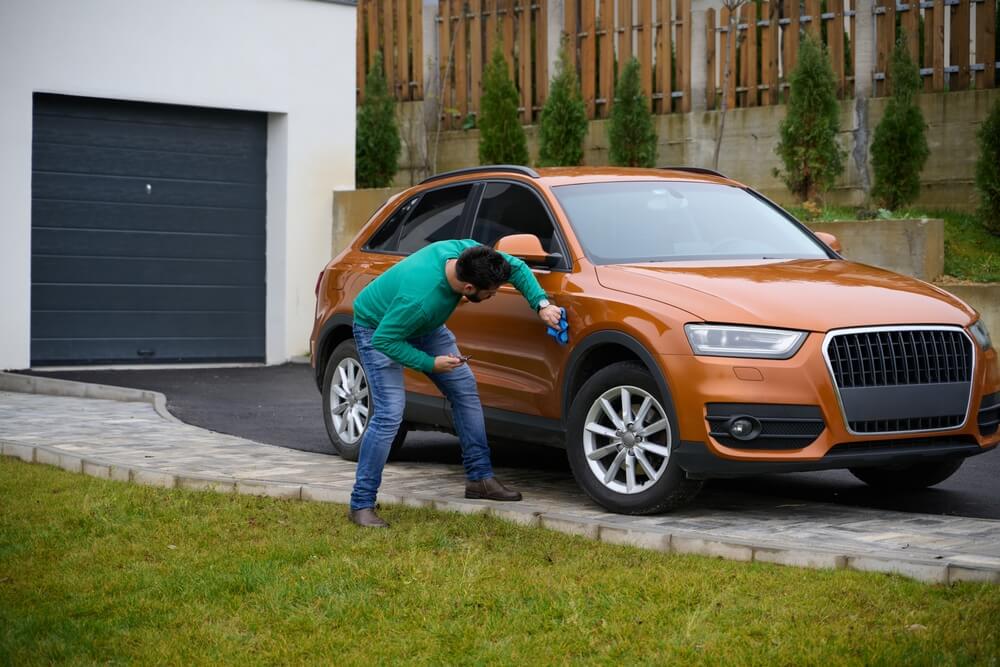
To avoid too many driveway damage claims, you can take proactive steps to keep your walkways in great shape. Since pavement can be quite expensive to repair or replace, it pays to prevent problems from occurring by maintaining it. You can keep yours lasting many years with a few simple preventative measures and regular maintenance.
Proactive Measures: Keeping Your Driveway Safe from Harm
You don’t want to do anything that will put stress on your pavement or ruin it. Some tips to avoid harming this area include:
- Use care when placing very heavy items on your driveway: If you must park large equipment on the pavement, look for a flat area with no visible cracks. A heavy piece of equipment could worsen the cracks
- Pay attention to where you place heavier objects: Even parking your car near the edge can be harmful since driveways tend to have more damage around the edges. Putting more pressure on this area could lead to further problems.
- Beware of auto fluids: Some vehicles may drip various fluids onto the concrete or asphalt. This can be harmful over time. It’s important to wash the fluids away so they don’t accumulate or settle into the pavement.
- Beware of mold and mildew: If your concrete is not maintained properly, mold or mildew may grow. This can cause superficial cracks that, over time, lead to greater issues.
Addressing Damage Early: Why Maintenance Matters
Different seasons bring with them various risks to driveways. These natural elements can cause the pavement to break down over time. However, if you address any issues right away, you can prevent further damage. You may need to follow a spring or fall maintenance checklist to ensure you don’t forget to address these tasks. Aside from addressing current issues you already see, you can apply sealant regularly to prevent future damage.
Make Sure Your Driveway and Home Are Covered With Homeowners Insurance
Now that you are more familiar with whether your homeowner’s policy covers driveways, take time to discuss your insurance with a qualified agent. At Acceptance Insurance, you can count on thorough coverage for your home at budget‑friendly prices. Our agents can discuss any concerns you have to ensure that you get the best coverage at the most affordable option.
Contact us by phone at (877) 405‑7102. Additionally, you can visit one of our many locations or get a quote online.
FAQs
Can I File a Claim for Oil Stains or Chemical Damage?
Since stains usually happen over time, as does chemical damage, it is generally considered gradual wear and tear. It may also be the result of not keeping up with the maintenance. Standard homeowners insurance does not cover these issues. If, for some reason, the damage occurs from a sudden incident (not gradual damage), then it may be covered, especially if it’s an accidental event and within your covered perils.
How Can I Prevent Driveway Damage Before Winter?
Winter weather is notorious for causing pavement damage. This happens when there are repeated freeze-thaw cycles or when moisture seeps into small cracks, freezes, and expands. This type of activity leads to cracking, crumbling, or surface deterioration. Even equipment and chemicals used to remove snow can weaken your driveway over time.
To help prevent winter-related driveway damage, homeowners should seal cracks, make sure they have proper drainage, and apply a protective sealant to the surface. Avoid using harsh chemical de-icers on the area and clear away any snow right away. Just be sure to use gentle tools versus chemicals that lead to more issues.
Will Filing a Claim for Driveway Damage Raise My Insurance Rates?
When filing a home insurance driveway coverage claim, you may have to pay a higher premium in the future. All claims have that potential, especially if it is preventable. If general maintenance could have helped avoid the damage, then you shouldn’t file a claim. Reserve the filings for issues resulting from covered perils. It also makes sense to repair minor pavement problems if they are below your deductible. That will keep your insurance rates from rising.
Is My Driveway Covered if It’s Shared With a Neighbor?
Your property deed or agreement should outline who is responsible for the driveway, who has ownership, and how to handle damage. You may have an agreement that states one portion is your responsibility and the other portion is the neighbor’s responsibility. Or it may state that wherever damage occurs, you split the cost 50/50.
Are Decorative Driveways or Pavers Covered Differently Than Concrete or Asphalt?
In most cases, decorative driveways, pavers, or custom materials are covered under the same home insurance driveway coverage section as standard driveways. However, don’t forget about the typical exclusions mentioned above. These apply to decorative driveways as well. Some policies use the actual cash value of the driveway rather than its replacement cost unless you have additional endorsements in place. You may want to document your materials costs if you use higher-end materials.

Ready to Get a Quick Quote?

