
Does Your Auto Insurance Cover Your EV? What To Know

Erandi García is Freeway’s Bilingual Senior Copywriter. With nearly 10 years of experience in content creation, her career has allowed her to explore the world through internationa...

Cyndi Wright is the senior copywriter and content manager at Freeway Insurance. With a career that has spanned many facets of writing across a variety of platforms, Cyndi loves to ...

Rose Carter is an accomplished content strategist and marketing leader with a proven track record of creating impactful, results-driven content. With expertise in writing, editing,...
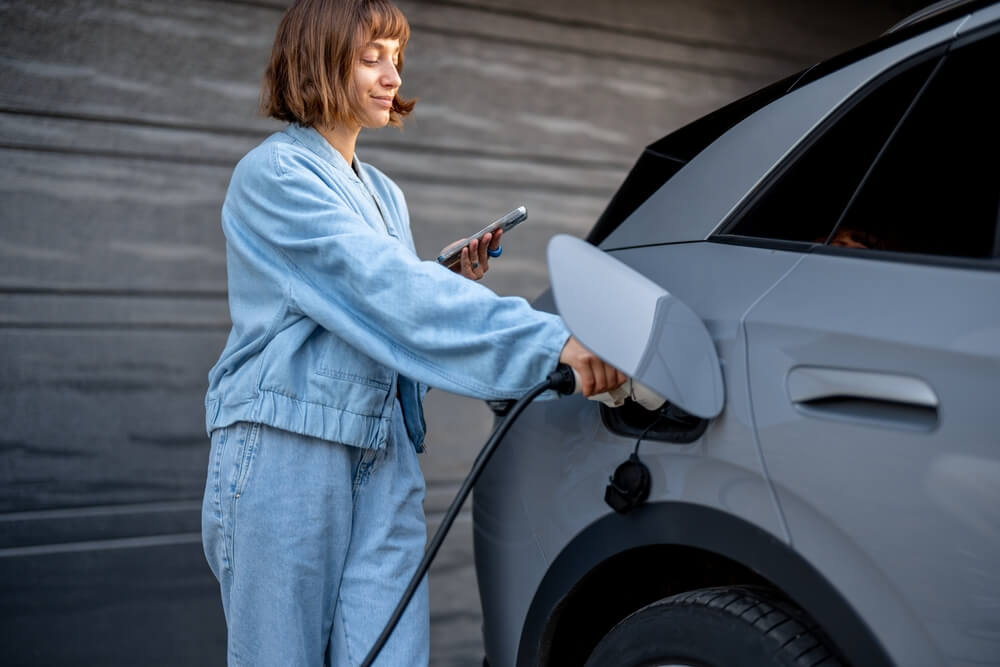
Yes, regular auto coverage does cover your electric vehicle, although it’s not a perfect fit. You’ll find that your electric vehicle is a different mode of transportation altogether. As a result, auto insurance for EV is not what you might be used to with your conventional auto. Count on your Acceptance Insurance agent to get you on the right track.
Here’s what you need to know when it comes to insuring an electric car.
Why EV Insurance Works Differently
If you’ve ever switched from a Ford to a Honda to a Chevy, you might not have seen that many operational differences. Conventional gas-powered cars, trucks, and SUVs aren’t really that unique. However, when you transition to electric vehicles, your driving experience undergoes a significant transformation. So do your policy needs. Here’s how.
Higher EV Repair Costs and Battery Replacement
You’ve never had an equivalent car part to the electric battery that runs your EV. The centerpiece of your EV is a battery that can cost $5,000 to $20,000 or more when new. Insurers know that a front-end collision will cost them that much to replace the battery alone, in addition to any body, parts, and operational damage that also occurs.
The numbers add up. No wonder your Tesla insurance coverage, and even a hybrid car insurance policy, can cost you more than you’re used to paying for an auto policy.
Specialized Parts and Labor
EV batteries are so unique that the service technicians must be specially trained to repair them. Most of today’s mechanics still work with standard gas-powered vehicles, so you’ll pay more for the unique skill set.
Since most vehicles on the road today aren’t EVs, the replacement car parts might not be warehoused nearby. If they have to be ordered and shipped from afar, add that cost to the repair bill.
Your insurer must work all of that into the calculations before setting the rate you’ll pay for your family car insurance if your next ride is an EV.
What Standard Auto Insurance Covers for EVs
In some ways, your new EV is “just another car,” at least as far as your auto policy is concerned. Many of the same claim events can happen regardless of whether a battery or fossil fuel powers your ride. Here’s what doesn’t dramatically change with EV accident coverage.
Liability, Collision, and Comprehensive Coverage
This is the heart and soul of your full coverage auto insurance policy — and has been for about as long as cars were on the road. These benefits will also offer significant financial protection advantages to your new EV.
Liability insurance provides help paying for repairs and medical bills if you cause injuries or damages to someone else. It will also help cover the costs of a lawyer, court fees, and even plaintiff damages if you are taken to court. The bad news is that liability coverage won’t pay for the damages to your own vehicle.
That’s where collision benefits come into play. Collision covers the cost of damages to your own vehicle and personal property if you’re at fault for a road accident, or if you live in a no-fault state.
Comprehensive benefits are essential because not all vehicle damage or loss is due to actions while behind the wheel. Your new EV could be totaled if your garage catches fire or is destroyed in a tornado or hurricane. It could get stolen, vandalized, or otherwise damaged while in public parking, or washed away in floodwater. Your comprehensive benefits also cover collisions with wildlife.
Optional Coverage Worth Considering
As with any auto plan, you can tailor your electric vehicle insurance by adding benefits. For instance, roadside assistance is a valuable add-on. You’ll get a 24/7 emergency dispatch service to handle any emergency, from collision damage to a dead battery, flat tire, or if you’ve gotten locked out of your car or need a tow to a nearby garage.
In addition, your rescue technician can bring a portable charger if your emergency is a dead EV battery.
Uninsured and underinsured motorist coverage, also known as UM/UIM, is an add-on benefit that provides financial protection when the other driver is at fault but carries little to no insurance.
If you live in an at-fault state, it’s the insurer of the driver at fault for a road accident that is expected to pay for damages to other parties. But this does you little good if the other driver has no coverage or has a lower coverage limit than you need for your repairs. If you have UM/UIM, your own provider will handle your claims in such situations.
And finally, with the high cost of your EV battery, it’s worth asking your agent about the availability of optional coverage for mechanical breakdown or other sources of damage to the unit beyond what your standard policy will cover. A traditional plan will offer claims protection for a battery damaged or destroyed in an accident, or one that’s stolen, vandalized, or involved in other unexpected events.
However, simple mechanical failure for other reasons could result in thousands of dollars in repair or replacement costs. If add-on coverage for this type of failure is available, it’s worth exploring.
Common Insurance Gaps to Watch For
As mentioned, your electric vehicle insurance isn’t identical to the coverage you’ve always had on traditional gas-powered cars. Here are some of the main (and most potentially pricey) differences you’ll have to watch out for.
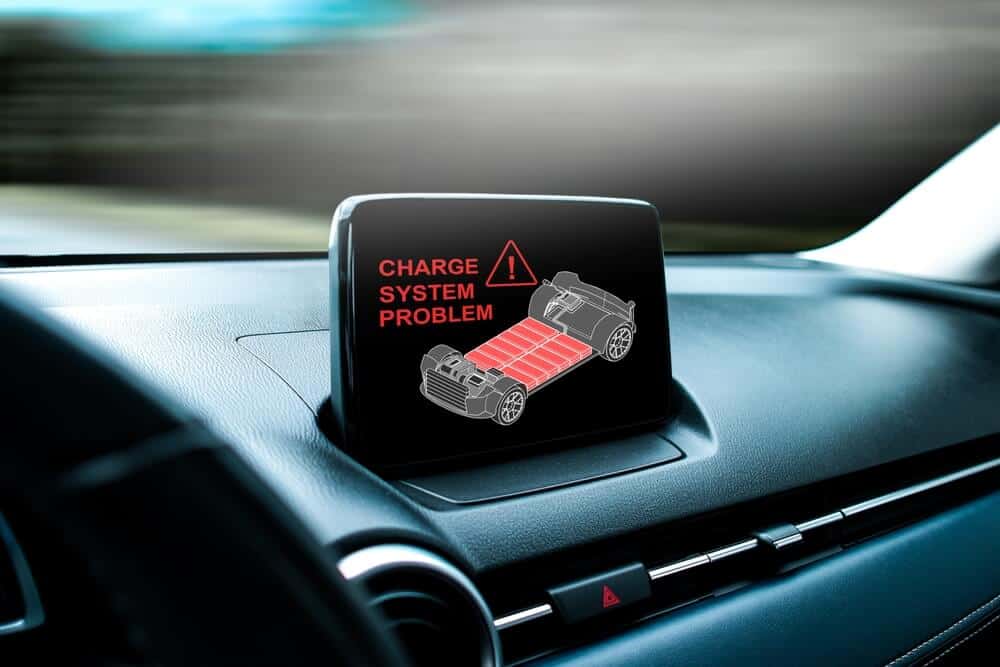
Battery Replacement Costs
If your EV battery is stolen, heavily damaged, or destroyed in a covered event, it will cost plenty to replace. Your insurer will probably pick up the bulk of that cost, but keep in mind that you’ll be responsible for your deductible.
Also, remember that normal wear and tear, as well as mechanical breakdown, will not be covered by your standard policy. Consider obtaining additional add-on coverage if it’s available. This is highly advisable due to the high cost of a new battery.
Charging Station Damage
If your home charging station is damaged or destroyed in a fire, weather event, or other calamity, your auto insurance policy won’t cover your claim. However, your homeowners or renters policy should. Ensure you discuss this with your agent and confirm that you’re covered.
Power Surge or Fire Risk
EVs are actually less likely to catch fire than gasoline-powered vehicles. The problem is, when it does occur, the fire is expected to be more intense and difficult to extinguish. Fires can be the result of manufacturing defects, sudden impact, power surges due to saltwater exposure, and other reasons.
When such events happen in garages, they can lead to devastating house fires. If the fire is the result of a collision, you can claim your collision coverage. However, if the issue is due to wear and tear or a defect, you may not be covered. Ask your agent for details. Also, keep in mind that your homeowners’ insurance can cover any subsequent damage to your home or other structures if your car ignites for any reason.
How Acceptance Helps Families Protect Their EVs
At Acceptance Insurance, we have various strategies to help you reduce the cost of electric vehicle insurance for your new and unique vehicle. Here are a few leading ways to save.
Bundling With Home or Renters Insurance
Bundling your auto and home (or residential rental) is a matter of using one insurer for both lines of coverage. You could earn significant rate discounts for both. Insurers love to be able to sell good customers additional coverage — and they are likely to be highly motivated to save you money on your electric car insurance in the process.
Personalized Plans for Electric Vehicle Owners
At Assurance, we know that you don’t just have another car. For that reason, the plan we obtain for you won’t be exactly like policies you’ve had in the past. We understand that insuring an electric car is a unique experience that requires a cost-saving strategy on a quality plan.
Protect Your Electric Ride — Get EV Coverage With Acceptance
Ready for a truly unique driving experience? Your EV is unlike any other vehicle you’ve ever owned, and it requires special treatment. At Acceptance Insurance and our sister company, InsureOne, auto insurance for your EV is not just another policy. We regularly answer questions and shop for the best and most affordable coverage in eclectic vehicle insurance.
Trust us to shop for the best deal from multiple sources, and stand firmly behind what we sell you. Call your agent at any time you need our support or advice.
Call us at (877) 405-7102, or get a quick online quote. You can also find an office near you to book an appointment with a knowledgeable Acceptance auto insurance agent.
FAQ
Does Standard Auto Insurance Cover Electric Vehicles?
Yes. You can (and should) purchase liability, comprehensive, and collision coverage, just as you would for your conventional, gas-powered vehicle. Then consider add-on coverage to meet the unique needs of a very different kind of vehicle.
Does Insurance Cover EV Batteries With Collision Benefits?
Yes. Your battery is covered just as any other car part would be if damaged or destroyed in a covered road accident. Please note that you must first meet your deductible before your insurance will cover the remaining portion of your claim.
Is EV Insurance More Expensive Than Regular Auto Insurance?
Yes. That’s for a variety of reasons, including the high cost of your battery if it must be replaced, and the fact that relatively few service technicians have been trained to repair EVs.
How Are Hybrid Vehicles Covered?
Hybrids have characteristics of both gas-powered vehicles and EVs, and are covered with a standard auto insurance policy. Hybrid car insurance tends to be more expensive than policies covering gas-powered cars, though not as pricey as EV auto insurance coverage.
Does My Home Insurance Cover My EV Charger?
Yes, to the same extent that your homeowners policy would cover anything in your home that’s lost, damaged, destroyed, or stolen in a covered event such as fire, harsh weather, burglary, or vandalism. Ask your Acceptance Insurance rep for details.

Ready to Get a Quick Quote?

