
Can You Register a Car Without Insurance?

Erandi García is an Acceptance Bilingual Senior Copywriter. With nearly 10 years of experience in content creation, her career has allowed her to explore the world through internat...

Ashley Walrath is a results-driven content strategist and copywriter known for creating clear, engaging content that connects brands with their audiences while supporting measurabl...

Rose Carter is an accomplished content strategist and marketing leader with a proven track record of creating impactful, results-driven content. With expertise in writing, editing,...
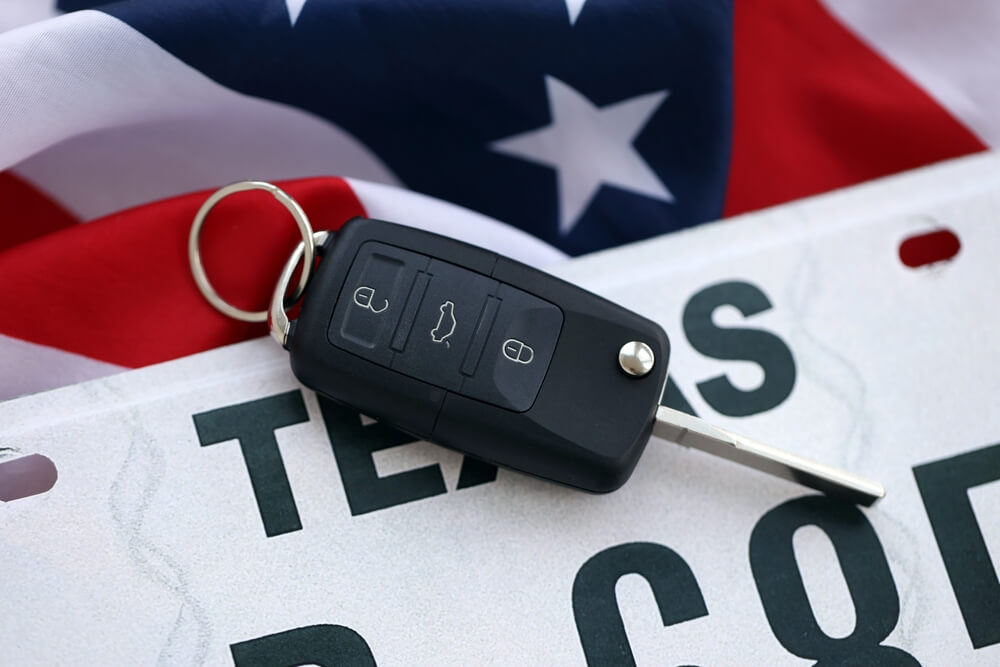
In almost every state, you can’t complete vehicle registration without showing proof of auto insurance. If you’re wondering whether there’s a shortcut around this legal requirement, the short answer is: probably not. Here’s what you need to know before heading to the DMV or state office.
Do You Need Insurance to Register a Car?
Yes. Most states require active proof of liability insurance, which helps pay for covered injuries or property damage you cause to others, before vehicle registration. When you visit the DMV, Secretary of State (SOS) office, or county tag office, staff will ask for proof of coverage at registration or renewal. Attempting to register a car without insurance can lead to denial or suspension of registration.
A small number of states allow limited exceptions. Certain states allow alternative compliance methods, such as a cash deposit or surety bond instead of traditional insurance. In Tennessee, for example, that deposit can run around $65,000. New Hampshire does not legally mandate insurance for most drivers but requires proof of financial responsibility if you cause an accident.
Two concrete examples worth noting:
- You cannot register a vehicle without insurance in Michigan. Michigan requires no-fault insurance for vehicle registration, and proof of no-fault insurance is mandatory at the SOS office.
- Georgia requires continuous liability insurance for any vehicle with active registration, verified electronically through the state’s insurance compliance system.
Requirements can change over time. You can often check specific registration and insurance rules via your state’s DMV website before heading to the office.
Why States Require Insurance for Vehicle Registration
States link auto insurance and vehicle registration to reduce unpaid accident costs and keep uninsured drivers off public roads. Without this connection, a person involved in an accident could leave other drivers covering their own medical bills and property damage out of pocket.
Tying insurance to registration also makes enforcement easier. The DMV may electronically verify insurance databases to check active coverage on any registered vehicle. This means law enforcement and state databases can quickly flag a car that isn’t insured, protecting families and communities from financially responsible gaps on the road.
What Insurance Do You Need to Register a Car?
Every state sets its own minimum auto insurance requirements. At a minimum, you’ll typically need:
- Bodily injury liability, which helps cover injuries you cause to others
- Property damage liability, which helps cover damage you cause to someone else’s property
- In some states, personal injury protection (PIP) or uninsured/underinsured motorist coverage, which helps pay certain medical expenses regardless of fault, or uninsured/underinsured motorist coverage, which can help when an at-fault driver has insufficient insurance
In states considered no-fault in accidents, such as Michigan or Florida, valid no-fault insurance is required for vehicle registration. Some drivers need extra documentation. If you have a serious violation on your record, you may need an SR-22 filing proving financial responsibility before your state will process registration or renewal.
Going beyond state minimums is smart when your budget allows it. An Acceptance Insurance agent can help you choose the right coverage level for your vehicle value, driving habits, and finances.
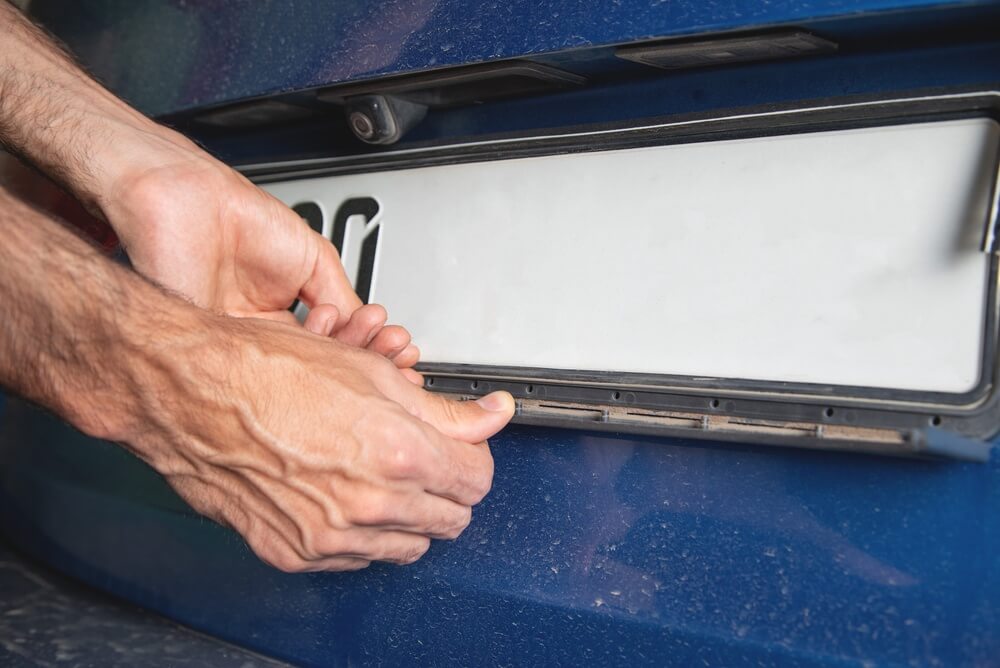
Can You Register a Car Before Buying Insurance?
There’s a difference between starting title paperwork and completing full vehicle registration. Some states may let you transfer the title or list yourself as the owner before you activate insurance, but you usually can’t get plates or legally drive until you provide proof of coverage. Activation of an insurance policy must precede vehicle registration in most jurisdictions.
For example, imagine you buy a used car from a private seller on a Saturday. You get a same-day insurance quote and purchase a policy, then bring your proof of insurance to the DMV on Monday to complete the registration process. This sequence helps you meet the insurance requirement before finalizing registration.
Some states may have grace periods that allow registration without same-day proof of insurance, but this varies. Even with temporary tags or a short grace period after a purchase, most states still require at least basic liability insurance on the vehicle.
Don’t drive the car on public roads until you’re sure you have both valid insurance and either current plates or a state-approved temporary permit.
Documents You Need for Vehicle Registration
Having the right paperwork ready before visiting the state office or county tag office can save you a return trip. Here’s what most states require:
- Proof of insurance (declarations page, binder, or digital card)
- Driver’s license or state ID
- Vehicle title or bill of sale
- Completed application for vehicle registration
- Payment for registration fees and taxes
Many states also require an accurate odometer reading at sale or transfer to prevent fraud, especially on vehicles under 10 model years old. You may need extra documentation in certain situations, such as VIN verification for out-of-state vehicles, lienholder information if the car is financed, or emissions and safety inspection certificates. Note that processes vary by location.
What Happens If Your Insurance Lapses After Registration
Registration and insurance stay connected even after you leave the DMV. If your insurance policy lapses, you can face registration suspension, fines, or even towing.
Georgia is a clear example. Georgia law requires continuous liability coverage on any vehicle with active registration. A lapse can trigger automatic suspension until you provide proof of coverage and pay a $25 lapse fine plus reinstatement fees.
A coverage gap can also lead to higher future premiums, especially for drivers who already have a record of tickets or accidents. If you’re facing cancellation or financial hardship, contact your Acceptance Insurance agent early to discuss options like adjusting coverages or changing payment dates.
How to Get Insurance Before Registering Your Car
Getting covered before your DMV appointment can be straightforward. Here’s a simple timeline for the 24 to 72 hours before your visit:
- Gather your vehicle’s VIN, odometer reading, purchase date, and intended use.
- Get quotes online or by phone.
- Compare options across carriers.
- Choose an insurance policy that meets your state’s requirements.
- Save or print your digital proof of insurance.
Sources
FAQs
Can I Register a Car If the Insurance Policy Is Not in My Name?
Many states allow registration and insurance to be in different names. A parent can insure a car registered to a student or adult child, for example. However, each insurance company may have its own rules about who must be listed on the policy. Check both state rules and your insurer’s guidelines before visiting the registration office. An Acceptance Insurance agent can review your specific situation and help structure a policy that satisfies both.
Can I Register a Car in a New State With Out-of-State Insurance?
When you move, many states require you to switch to a policy written for that state within a set time frame. As a new resident in Michigan, for instance, out-of-state policies won’t satisfy the Michigan no-fault insurance requirement. New residents must obtain Michigan no-fault insurance immediately and show proof of Michigan residency. Contact your current insurer or an Acceptance Insurance agent before moving to understand how relocation affects your coverage and costs.
Do I Need Insurance to Transfer a Title If I Am Not Driving the Car Yet?
In some states, you can technically transfer the title to your name without active insurance if the vehicle won’t be driven. However, you’ll need coverage before registration or road use. Ask your state DMV or SOS office whether proof of insurance is required at the title transfer step or only at registration. It’s a good idea to activate at least basic liability coverage as soon as you know you’ll be operating the vehicle.
How Long Can I Keep a Car Without Insurance If It Is Parked and Not Driven?
If the vehicle has active registration, many states still require active insurance, even if it’s parked and not used on public roads. Some states let owners turn in plates or declare the vehicle “non-operational” to pause registration and insurance requirements, but this usually means the car can’t be driven or parked on public streets. Talk with your insurer and check state rules before canceling coverage on a legally registered vehicle to avoid unexpected fines or a suspended registration.
What If I Buy a Car and Cannot Afford Insurance Right Away?
Buying a vehicle without budgeting for insurance can put you in a tough spot since most states won’t allow registration or legal driving without coverage. Contact an Acceptance Insurance agent to explore affordable options, including coverage built for tight budgets, so you can purchase a policy and get on the road legally.
Conclusion
- Most states require proof of insurance to register a car
- Insurance protects against financial risks from accidents
- Required coverage varies but often includes liability and property protection.
- Insurance must be active before registration and driving
- Lapses in insurance can lead to fines and registration suspension
Keep these points in mind to register your car legally and stay protected

Get the Car Insurance You Need Before Registration
If you need coverage before registering your vehicle, we at Acceptance Insurance are ready to help you explore a variety of auto insurance options tailored to fit your needs and meet your state’s requirements.
Get a fast quote online, find an Acceptance Insurance location near you, or call 877-405-7102 to speak with one of our agents. We’re here to guide you through your coverage options and help you get on the road quickly and legally.

Ready to Get a Quick Quote?

