
Seat Belt Safety Laws Explained: What Drivers and Passengers Need to Know

Monica Alarcon is a Senior Content Writer at Acceptance, where she ensures that every piece of content is accurate, clear, and consumer-focused. Her role combines writing with edit...

Rose Carter is an accomplished content strategist and marketing leader with a proven track record of creating impactful, results-driven content. With expertise in writing, editing,...

Cyndi Wright is the senior copywriter and content manager at Acceptance Insurance. With a career that has spanned many facets of writing across a variety of platforms, Cyndi loves ...
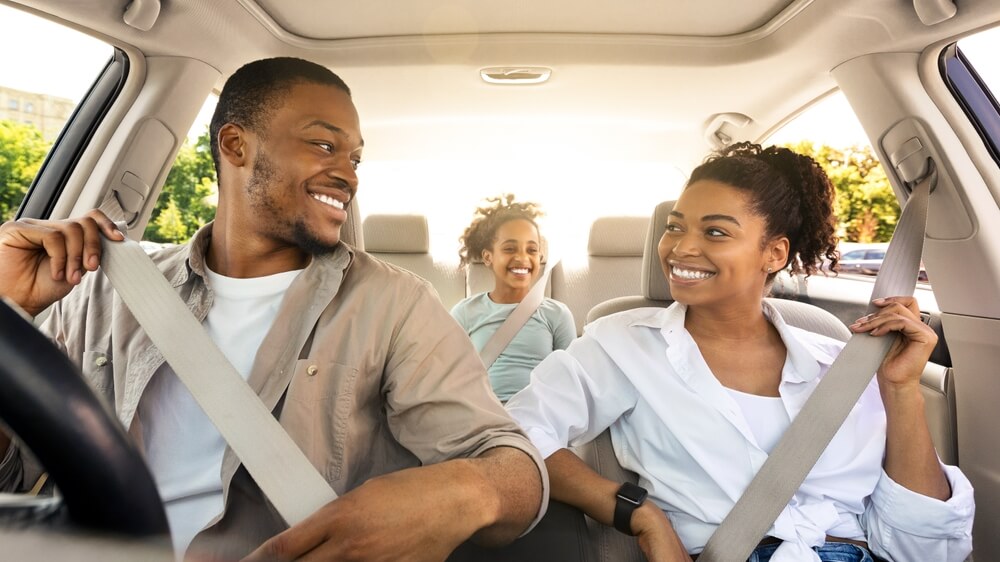
Across the United States, seat belt safety laws vary by state but share a common goal: protecting vehicle occupants by promoting or requiring the use of seat belts. These laws have evolved over time, beginning with California’s pioneering primary enforcement law in the 1990s, which empowered police officers to stop drivers solely for not wearing seat belts. Today, more than 30 states have adopted similar primary enforcement laws, leading to increased seat belt use nationwide.
At Acceptance Insurance, your safety comes first. Besides providing you with the best cheap car insurance, we’re here to help you understand seat belt safety laws so you can stay better protected on the road.
What Are Seat Belt Safety Laws?
Seat belt safety laws are state regulations designed to mandate or encourage the use of seat belts by drivers and passengers in motor vehicles. Their purpose is to reduce injuries and fatalities from car accidents by ensuring occupants are properly restrained.
Adult seat belt laws differ by state; some require only front-seat occupants to wear seat belts, while others have broader requirements covering all seating positions. Except for New Hampshire, all states require adults to wear seat belts in some form. Additionally, all 50 states have mandatory child restraint laws with specific requirements based on age, weight, and height. Enforcement methods, penalties, and legal implications for noncompliance vary across states, influencing personal injury lawsuits and insurance claims.
Types of Seat Belt Enforcement Laws
There are two main types of seat belt enforcement laws in the U.S.: primary and secondary enforcement. Understanding these distinctions helps drivers and passengers know their responsibilities.
Primary Enforcement Seat Belt Laws
Primary enforcement laws allow law enforcement officers to stop and ticket a driver or passenger solely for not wearing a seat belts. If a police officer notices someone unbuckled, they can initiate a traffic stop without needing another reason. As of early 2024, thirty-five states, the District of Columbia, and the Virgin Islands have adopted primary enforcement laws for adult front seat occupants. Some states also apply primary enforcement to specific age groups, such as drivers under 18.
Primary enforcement laws are highly effective at increasing seat belt use. In states with these laws, observed seat belt use reached approximately 92%.
Secondary Enforcement Seat Belt Laws
Secondary enforcement laws are more limited. Under these laws, police officers can issue a citation for seat belt non-use only if the driver was stopped for another traffic violation, such as speeding or running a red light. Historically, most states started with secondary enforcement but many have transitioned to primary enforcement to improve compliance. The incremental effect of primary versus secondary laws on reducing fatalities is estimated between 3% and 14%. Systematic reviews confirm that both primary and secondary laws reduce deaths and injuries, with primary laws having a stronger impact. New Hampshire remains the only state without an adult seat belt law. North Dakota is an example of a state with secondary enforcement, especially for certain age groups.
States With Primary vs. Secondary Seat Belt Laws
The enforcement type significantly affects seat belt use rates. States with primary enforcement laws see higher observed seat belt use, often exceeding 90%, compared to those with secondary enforcement. In 2024, front-seat occupant belt use rates were about 92% in primary enforcement states versus roughly 89% in secondary enforcement states.
Who Is Required to Wear a Seat Belt?
Seat belt laws generally require all vehicle occupants to buckle up, but specifics vary by state and seating position:
- All adult front seat occupants must wear seat belts in all states except New Hampshire.
- Forty-two states and the District of Columbia require rear-seat passengers to wear seat belts, highlighting the importance of occupant protection in all seating positions.
- Stricter requirements exist for minors and young drivers, including mandatory use of child safety seats and booster seats based on age, weight, and height.
- Children should remain in booster seats until they outgrow the size limits or are large enough for seat belts to fit properly.
- All children under age 13 are recommended to ride in the back seat for maximum safety.
Proper Seat Belt Use
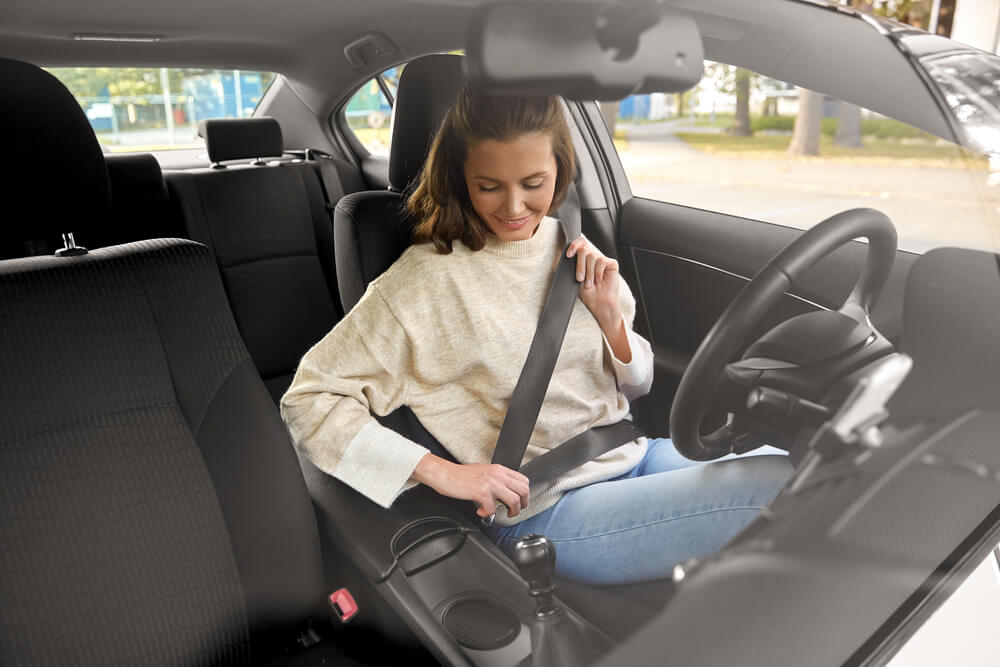
Correct seat belt use is crucial for safety. Always use both the lap and shoulder belt for maximum protection. The lap belt should lie snugly across your upper thighs or low on your hips—not across your stomach. The shoulder belt should rest comfortably across the center of your chest and shoulder, never under your arm or behind your back. Avoid twisted belts and ensure the buckle clicks securely.
Adjust the belt so the shoulder strap sits at or just above your shoulder and the lap belt stays low on your hips. This positioning helps distribute crash forces across the strongest parts of your body, reducing the risk of fatal injury. Proper use of lap and shoulder belts can lower the risk of fatal injury by up to 45% in cars and up to 60% in SUVs, vans, and light trucks. Remember, wearing your seat belt properly can save your life every time you drive.
Seat Belt Reminders and Interlocks
Modern vehicles include seat belt reminders and, in some cases, interlock systems to encourage buckling up. Seat belt reminders use visual and audible alerts, such as dashboard lights and chimes, to prompt front seat occupants to fasten their seat belts before driving. These reminders are proven to significantly increase seat belt use, especially when they persist until buckling occurs.
Some vehicles feature seat belt interlocks that prevent the car from starting or limit its speed if the driver or front passenger is unbuckled. The National Highway Traffic Safety Administration (NHTSA) requires all new vehicles to have seat belt reminders, and some states have laws mandating interlocks in certain cases. These technologies support highway safety efforts by state highway safety offices and the US Department of Transportation to reduce injuries and save lives.
Seat Belt Fines and Penalties
Failing to comply with seat belt laws can lead to fines and other penalties, which vary by state and violation type. Typical fines include:
| Violation Type | Typical Fine Range | Notes |
| First seat belt offense | $10–$90 | Varies by state |
| Passenger not wearing seat belt | $10–$100 | Driver may be cited |
| Minor not properly restrained | $25–$500+ | Often higher penalties |
| Repeat seat belt violations | Increased fines | May escalate over time |
| Seat belt violation + another offense | Added citation | Secondary enforcement states |
In some states, drivers are legally responsible for ensuring passengers, especially minors, are properly restrained. Repeat offenses often lead to higher fines, underscoring the importance of consistent seat belt use.
Additionally, in 16 states, damages in personal injury lawsuits may be reduced if the injured party was not wearing a seat belt at the time of the accident. Not wearing a seat belt can also increase liability and impact insurance claims or premiums.
How Seat Belt Laws Are Enforced During Traffic Stops
Law enforcement officers enforce seat belt laws during routine stops or when violations are observed. In primary enforcement states, officers can stop a vehicle solely for seat belt non-use. In secondary enforcement states, citations are issued only if the driver is stopped for another offense.
Officers also check compliance with child restraint laws, and failure to properly secure children can result in higher fines. Enforcement is often supported by publicized campaigns like “Click It or Ticket,” which have been effective in boosting seat belt use.
Education and Awareness
Education and awareness campaigns are vital in promoting seat belt use and road safety. Public service announcements, social media outreach, and community programs help spread the message about buckling up every trip. These initiatives, led by government agencies, nonprofits, and private companies, aim to make seat belt use habitual for all drivers and passengers.
Special focus is given to high-risk groups such as teenagers and young adults, who statistically wear seat belts less often. Raising awareness about the dangers of not buckling up encourages safer behaviors and reduces injuries and fatalities. The more we talk about seat belt safety, the safer our roads become.
Why Wearing a Seat Belt Matters
Wearing a seat belt is the most effective way to prevent injury or death in a motor vehicle crash, especially for adults and older children. Seat belts reduce serious crash-related injuries and deaths by about half. They secure occupants to their seats, preventing ejection from the vehicle interior, and distribute crash forces across stronger body parts such as the rib cage, shoulders, and pelvis.
Unrestrained occupants face a much higher risk of being ejected, which is usually fatal. Seat belts also reduce injuries from secondary collisions by keeping people properly restrained during a crash.
Even in vehicles equipped with airbags, seat belts are essential. Airbags are designed to work with seat belts, not replace them, and can cause injury if occupants are unrestrained. Unbelted occupants can also pose dangers to others by becoming projectiles during a crash. For example, an unbelted rear-seat passenger sitting behind a belted driver increases the driver’s fatality risk by 137%.
Seat belt laws are critical public health measures that reduce traffic fatalities by roughly 45% to 50%. Unbelted crashes cost the U.S. about $20 billion annually, with around 74% of that burden borne by the public through taxes and insurance premiums. In 2023, 49% of fatally injured passenger vehicle occupants were unrestrained.
The use of lap and shoulder belts—three-point seat belts—reduces fatal injury risk by 60% in SUVs, vans, and light trucks. Everyone, including children and tweens, should properly buckle their safety belts and ensure shoulder belts fit snugly across the shoulder and chest, not the neck or face.

Common Myths About Seat Belt Laws
“I Don’t Need a Seat Belt for Short Trips”
Many believe seat belts aren’t necessary for short drives. However, most fatal crashes occur close to home at low speeds. Wearing a seat belt every trip significantly lowers injury and death risk.
“Back-Seat Passengers Don’t Need Seat Belts”
Some think seat belts are only for front seats. This is false. Rear seat occupants are at risk too, and many states legally require rear seat belt use. Buckling up in the back seat protects both the occupant and others.
“Airbags Replace the Need for Seat Belts”
Airbags supplement seat belts and cannot replace them. Without a seat belt, airbags alone don’t provide adequate protection and may cause harm.
How Acceptance Insurance Can Help After a Seat Belt Ticket
If you receive a seat belt violation ticket, don’t worry—Acceptance Insurance has you covered. We specialize in offering cheap car insurance and tailored high-risk auto coverage designed to fit your unique needs.
Our friendly agents are ready to assist you by phone at 877-405-7102, online, or in person at a nearby office, making it easy and convenient to get the support you need. Reach out today and let us help you stay protected on the road with confidence.
FAQs About Seat Belt Laws
Are Seat Belt Laws the Same in Every State?
No. Except for New Hampshire, all states require seat belt use, but laws vary regarding who must buckle up, enforcement types, and penalties. Some states have primary enforcement allowing stops solely for seat belt violations; others have secondary enforcement requiring another violation first.
Can I Get Pulled Over Just for Not Wearing a Seat Belt?
In primary enforcement states, yes. Officers can stop and ticket you solely for not buckling up. In secondary enforcement states, you can only be cited if stopped for another offense.
Do Seat Belt Laws Apply to Passengers?
Yes. Most states require all passengers, including rear-seat occupants, to wear seat belts. Thirty-four states and D.C. mandate seat belt use for adults in both front and rear seats. Separate laws govern child safety seats and booster seats based on age, weight, and height.
Does a Seat Belt Ticket Go on My Driving Record?
It depends on the state. Some record seat belt violations on driving records, potentially affecting insurance rates; others do not.
At What Age Are Seat Belts Required Instead of Car Seats?
Requirements vary by state and child size. Generally, children use car seats or booster seats until around 8 to 12 years old or until seat belts fit properly, with lap belts snug across upper thighs and shoulder belts across chest and shoulder.
What Are the Penalties for Not Wearing a Seat Belt?
Penalties vary widely, from $10 fines to over $100, especially for repeat offenses or when children are involved. Some states hold drivers responsible for passengers’ seat belt use.
Why Is Wearing a Seat Belt So Important?
Seat belts reduce fatal injury risk by securing occupants and distributing crash forces across strong body parts. They prevent ejection and work with airbags to protect occupants.
Can Pregnant Women Safely Wear Seat Belts?
Yes. Pregnant women should wear seat belts with the lap belt low on the hips and under the belly to protect both mother and unborn child.
How Can I Ensure My Seat Belt Fits Properly?
The shoulder belt should lie snugly across the chest and shoulder, not the neck or face. The lap belt should fit low on the hips or upper thighs, not the belly. Belt extenders from the vehicle manufacturer can help if the belt is too short.

Ready to Get a Quick Quote?

