
Does Motorcycle Insurance Cover Theft?

Monica Alarcon is a Senior Content Writer at Acceptance, where she ensures that every piece of content is accurate, clear, and consumer-focused. Her role combines writing with edit...

Ashley Walrath is a results-driven content strategist and copywriter known for creating clear, engaging content that connects brands with their audiences while supporting measurabl...

Rose Carter is an accomplished content strategist and marketing leader with a proven track record of creating impactful, results-driven content. With expertise in writing, editing,...

Motorcycle insurance generally covers theft when your policy includes comprehensive coverage, and the loss meets its terms. Comprehensive insurance may pay for a stolen bike or qualifying theft-related damage, minus your deductible and subject to applicable limits. Liability-only coverage won’t replace your motorcycle if someone steals it, and collision coverage doesn’t cover theft itself.
Imagine walking outside to find the spot where you parked your motorcycle empty. Your first questions are probably who to call, if your bike is protected, and how much insurance might pay. The answers depend on the coverage you purchased, your motorcycle’s value, and what happened during the theft. Accessories, riding gear, and outstanding loan balances can complicate things, too. Understanding your policy before something happens can help you decide if you have enough protection and avoid unexpected expenses if you ever need to file a claim.
What Type of Motorcycle Insurance Covers Theft?
Comprehensive coverage is the main type of motorcycle insurance that can pay for theft of the insured bike. It generally addresses non-collision events, including theft, fire, vandalism, and certain weather damage. Acceptance offers motorcycle insurance options that riders can compare based on their needs and budget.
| Coverage | Does It Cover Theft? | What It Generally Does |
| Liability | No | Pays for qualifying injuries or property damage to others when you’re legally responsible. |
| Collision | No, not theft itself | Helps pay for covered crash damage to your own motorcycle. |
| Comprehensive | Generally, yes | Helps pay for theft and other covered non-collision losses. |
| Optional equipment coverage | Depends | May provide additional protection for eligible custom parts or accessories. |
Comprehensive is generally optional under state insurance laws, although a lender may require it for a financed motorcycle. Some riders call a combination of liability, collision, and comprehensive “full coverage,” but that label isn’t a standardized promise about what every policy includes. The differences among motorcycle coverages matter much more than the label.
If theft is one of your main concerns, comprehensive motorcycle insurance is worth considering. Before choosing a policy, check which theft-related losses are covered, how much you’ll pay toward a claim, and if any restrictions apply to your bike or its equipment.
What Does Motorcycle Theft Insurance Cover?
Comprehensive insurance may protect the motorcycle itself and certain damage resulting from a theft or attempted theft. It doesn’t mean every item on or near your motorcycle is automatically insured.
What If Your Entire Motorcycle Is Stolen?
If your bike disappears and isn’t recovered, the insurance company may treat an eligible claim as a total loss after investigating and applying any relevant policy conditions. It may use the motorcycle’s value just before the theft to calculate payment. The company may also allow time for a possible recovery, but investigation and settlement timelines are not uniform.
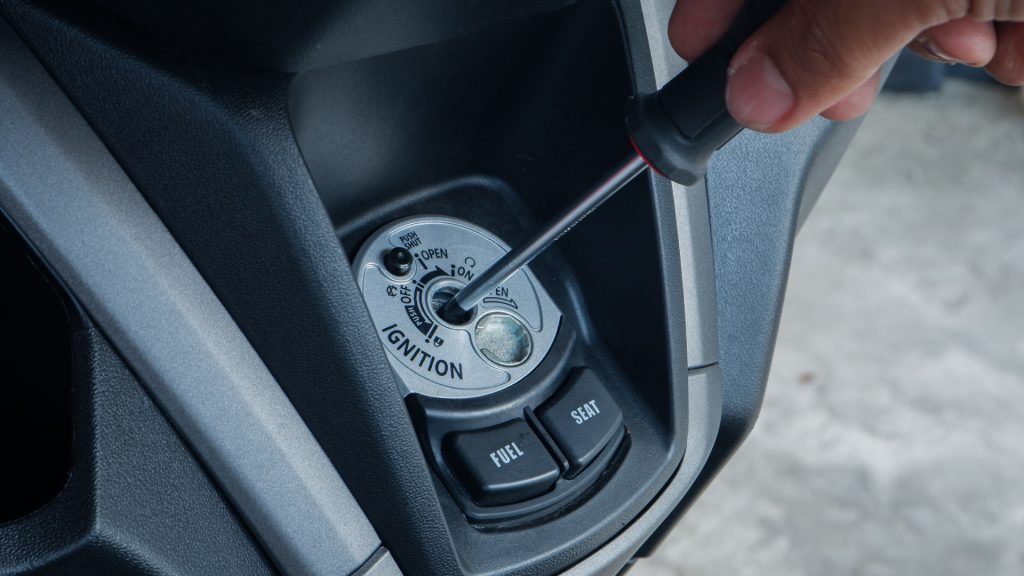
If police find your bike with a broken ignition, damaged lock, or missing covered equipment, comprehensive coverage may instead help pay eligible repairs. Ask the claims representative before arranging repairs or discarding damaged parts.
Are Stolen Parts and Custom Accessories Covered?
Insurance companies typically consider factory-installed equipment when assessing the bike’s covered value. But aftermarket exhaust systems, custom paint, upgraded wheels, or installed saddlebags can be subject to separate limits or coverage requirements. A rider with significant modifications should ask about custom motorcycle coverage rather than assume a standard policy accounts for every upgrade.
For example, suppose someone steals a motorcycle with an upgraded exhaust and detachable luggage. Even if the motorcycle itself is covered, the exhaust and luggage might be treated differently under the policy. Keep photos and receipts for modifications and ask which accessories are included in the quoted amount.
What About Helmets and Personal Belongings?
Helmets, jackets, phones, and removable bags aren’t necessarily covered as part of the motorcycle. Some policies offer riding-gear or accessories protection; others exclude certain personal belongings. Homeowners or renters insurance might cover eligible personal property in some circumstances, but its own deductible, limits, and exclusions would apply. Don’t assume you can collect twice for the same loss.
What Should You Do If Your Motorcycle Is Stolen?
Report the theft to law enforcement, notify your insurance company promptly, and preserve anything that helps establish what happened. Keeping accurate records can make the claims process easier.
- Contact the police. Provide the motorcycle’s vehicle identification number (VIN), plate number, make, model, color, distinguishing features, and last known location. Ask for a report or case number. If you have GPS tracking information, share it with law enforcement rather than attempting a risky recovery yourself.
- Notify the insurance company. Use the claims contact in your policy documents. Acceptance explains that claims should be reported directly to the insurance company issuing the policy, which may be different from the agency where you purchased it. Ask about coverage, deductibles, required documents, and the next steps.
- Gather supporting information. Your insurance company may ask for photos, registration or title records, proof of purchase, receipts for insured modifications, keys, and available camera footage. The specific requirements vary.
- Stay in touch during the investigation. Keep your claim number, follow any document requests, and promptly share updates from the police. Ask before making permanent repairs if the motorcycle is recovered.
There isn’t one national settlement deadline for every motorcycle theft claim. Policy terms, the circumstances, and applicable state claims-handling rules can affect the process.
How Much Does Motorcycle Insurance Pay for Theft?
Payment for a covered theft depends on the policy’s valuation method, your deductible, and any applicable limits or adjustments. A check may be lower than the price you paid for the motorcycle, especially if it has depreciated.
How Is Your Motorcycle’s Value Calculated?
Many standard policies use actual cash value (ACV), which generally reflects the motorcycle’s value immediately before the loss, considering age, condition, mileage, and other relevant information. Specialty policies may use different valuation provisions. Recent photographs, maintenance records, and receipts can help you document the condition and covered equipment of your bike.
How Does Your Comprehensive Deductible Affect Payment?
The comprehensive deductible is the amount subtracted from a covered theft claim before your insurance company pays.
For example, if your stolen motorcycle has a covered actual cash value of $8,000 and your deductible is $500, you could receive $7,500, assuming no other limits or adjustments apply. This is a hypothetical example, not a guaranteed payout.
Choosing a higher deductible may lower your premium, but it also means receiving less money if you file a covered theft claim. Consider how much you could comfortably pay out of pocket before selecting your deductible.
What If You Still Owe Money on the Motorcycle?
The insurance payment and your loan balance are separate amounts. If your lender is listed as a lienholder, the claim proceeds may first go toward the loan. You could still owe money if the settlement is less than your remaining balance.
Guaranteed asset protection (GAP) may help cover certain differences between an eligible total-loss settlement and the remaining loan balance. However, GAP has its own limits and exclusions, isn’t included automatically with comprehensive coverage, and may not be available for every motorcycle. Check the terms of your financing agreement and confirm eligibility before relying on this protection.
When Might Motorcycle Theft Not Be Covered?
A theft claim may be unpaid or reduced if the required coverage wasn’t active; the stolen property falls outside its terms, or an applicable exclusion or condition affects the claim. Common issues include:
- No comprehensive coverage or a policy that had already lapsed or ended before the theft
- Custom equipment or personal belongings outside the policy’s protection or limit
- Materially false information or failure to meet applicable claims obligations, evaluated under the policy and state law
Parking outdoors or forgetting a lock doesn’t, by itself, establish that a theft claim must be denied. The specific wording of the policy and the facts of the loss matter. If a claim is denied, request the reason in writing and ask which provision applies.
Is Comprehensive Motorcycle Insurance Worth It?
Comprehensive coverage is worth considering if paying to replace your motorcycle after a theft would strain your budget. It can also be important when a loan agreement requires physical damage coverage. Compare the cost of adding comprehensive, the motorcycle’s current value, and the deductible you could comfortably absorb.
| Deductible | Possible Benefit | Tradeoff |
| $500 | Less deducted from a covered claim | May cost more in premium |
| $1,000 | May lower your premium | More of the loss stays with you |
Premium differences vary, and available deductible choices depend on the insurance company. Ask for quotes with each option instead of assuming the higher deductible creates worthwhile savings.
You can also make theft harder by using a sturdy lock, parking in a secure or visible space when possible, considering an alarm or tracking device, and saving photos of your bike and its upgrades. Some anti-theft devices may qualify for discounts, although savings aren’t guaranteed. These precautions can complement other motorcycle safety practices, but no security measure can prevent every theft.
Is Your Motorcycle Protected If Someone Steals It?
The best time to check theft protection is before your motorcycle goes missing. Look at the declarations page for comprehensive coverage, then check the deductible, how the bike would be valued, and any limits affecting custom equipment or riding gear. These details provide a clearer picture of your protection than the term ‘full coverage.’
If you’re unsure what your current policy protects, an Acceptance agent can help you compare available motorcycle coverage and deductibles. You’ll be in a better position to choose protection that fits both your bike and your budget.
Frequently Asked Questions About Motorcycle Theft Insurance
Does motorcycle insurance cover theft from your driveway?
Comprehensive coverage may apply when a motorcycle is stolen from a driveway, garage, or another location within the policy’s coverage territory. The deductible and other policy conditions still apply.
Does comprehensive insurance cover attempted motorcycle theft?
It may cover qualifying damage from an attempted theft, such as a broken ignition or damaged lock, even if the motorcycle remains in your possession. Ask how your deductible and equipment limits would apply.
What happens if your stolen motorcycle is recovered?
Tell law enforcement and the insurance company promptly. If the claim hasn’t been settled, the company may inspect the bike for covered damage; after a total-loss payment, ownership and recovery rights may be governed by the settlement and state law.
Does filing a motorcycle theft claim affect your premium?
It can, but a rate change isn’t automatic. The outcome depends on the insurance company, your claims history, and rating rules permitted in your state.
Find Motorcycle Coverage That Fits Your Ride
Protecting your motorcycle against theft starts with choosing coverage that fits your needs. Acceptance Insurance can help you compare motorcycle insurance options from participating insurance companies and review deductibles, coverage limits, and available protection for custom equipment.
Ready to explore your options? Get a motorcycle insurance quote online, call 877-405-7102 to speak with an agent, or find an Acceptance office near you for in-person assistance. You can also visit Acceptance Insurance to explore other coverage options.
Sources

Ready to Get a Quick Quote?

