
What To Do After a Hit-and-Run

Andrea Perez is a bilingual content writer at Acceptance, where she creates strategic content for multiple brands within the insurance industry. With a background in journalism, ed...

Cyndi Wright is the senior copywriter and content manager at Acceptance Insurance. With a career that has spanned many facets of writing across a variety of platforms, Cyndi loves ...

Rose Carter is an accomplished content strategist and marketing leader with a proven track record of creating impactful, results-driven content. With expertise in writing, editing,...
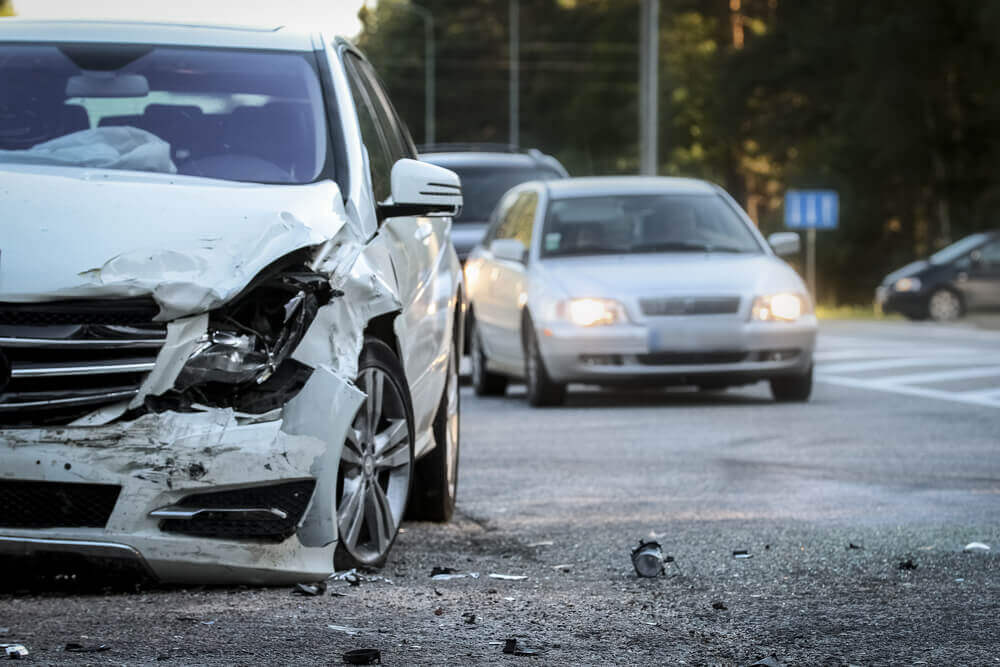
Being the victim of a hit and run can leave you shaken, confused, and unsure of your next move. Imagine returning to your parked car after a day of errands, only to find a dent and scratch you didn’t cause, with no note or sign of the responsible driver. Or picture sitting at a stoplight when suddenly, another vehicle slams into your rear bumper and speeds away before you can react. In those moments, panic and uncertainty can take over. But knowing exactly what to do in those critical first minutes can make all the difference between a smoother car insurance claim and paying thousands out of pocket.
This step-by-step guide walks you through safety, documentation, reporting, and how your auto insurance coverage protects you when the other driver flees.
What Is a Hit-and-Run and Why Your Next Steps Matter
A hit-and-run occurs when a driver involved in a car accident intentionally leaves the scene without stopping to exchange information, provide identification, or offer assistance. This is a criminal offense in all 50 U.S. states, with penalties ranging from misdemeanors for property damage to felonies when injuries or fatalities occur.
Common scenarios include:
- Parked-car damage discovered in shopping lots (approximately 40% of cases)
- Rear-end collisions at stoplights (25%)
- Highway sideswipes (20%)
- Pedestrian or cyclist strikes (15%)
Your actions in the first 15–30 minutes directly affect police investigation success rates and your ability to recover compensation. According to NHTSA data, over 2,500 hit-and-run fatalities occur annually, and many fleeing drivers are uninsured—an estimated 13% of U.S. motorists lack coverage entirely. This is precisely why having the right auto insurance policy matters, especially for drivers who may struggle to find standard coverage.
When considering how much coverage you should have, it’s important to balance your state’s minimum requirements with your personal assets to ensure you are adequately protected. In no-fault states, each driver’s insurance typically covers their own injuries regardless of who caused the accident, subject to state-specific rules and exceptions.
Immediate Steps: What To Do Right After a Hit-and-Run
Safety comes first, followed by legal obligations, then evidence gathering. Here’s your step-by-step checklist of what to do after a car accident:
Step 1: Move to Safety
- If your vehicle is drivable, pull to the shoulder, a parking lot, or another safe location.
- Turn on your hazard lights.
- If the car cannot move, stay buckled inside with hazards on until help arrives—obstructing traffic can result in fines exceeding $500 in most states. Turning on hazard lights immediately after an accident can help other drivers see you.
Step 2: Check for Injuries
- Assess yourself, passengers, and any nearby pedestrians or cyclists.
- Remember that adrenaline can mask pain; studies show 30% of seemingly uninjured victims report delayed symptoms like whiplash within 72 hours.
- Seek medical evaluation regardless of how you feel.
Adrenaline can mask serious injuries such as whiplash or internal bleeding, so medical evaluation is recommended after a hit-and-run.
Step 3: Call 911 Immediately
- Report the hit and run even for minor damage.
- Request medical assistance if needed.
- Get law enforcement dispatched to document the scene.
Chasing the driver in a hit-and-run is dangerous; it is advised to let law enforcement handle it.
Step 4: Record Fleeing Vehicle Details
- Quickly note or voice-record:
- Color, make, model, approximate year
- License plate (even a partial license plate can be highly valuable for investigations following a hit-and-run accident)
- Direction of travel
- Visible damage on the fleeing car
Step 5: Gather Witness Information
- Ask bystanders to stay until police arrive.
- If they cannot, collect names, phone numbers, and brief statements.
It is crucial to document the scene by taking photos, recording witness contact details, and noting the fleeing car’s make, model, color, and license plate.
Step 6: Parked Car Discoveries
- If you find damage later in a parking garage or outside your home, follow the same protocol:
- Call local police
- Document damage
- Look for security cameras
Important: Do not chase the fleeing driver. This doubles your crash risk and can complicate fault determination in your insurance claim.

Documenting the Scene: Evidence You Need for Police and Insurance
Strong documentation can boost claim approval rates by 40–50% according to insurer analytics. Here’s what to capture:
Photos and Videos
- All angles of your vehicle damage
- Close-ups of scratches, dents, and paint transfer
- Broken glass, debris, and skid marks
- The wider crash area including lane markings, traffic signals, and road conditions
- Gather evidence by taking photos of vehicle damage, debris, skid marks, and the surrounding scene after a hit-and-run
Location Details
- Nearby street signs and business names
- House numbers or parking garage levels
- Weather and road conditions (rain, potholes, construction)
Written or Voice Notes
- Time and date
- How the accident occurred
- Your origin and destination
- Estimated speeds
- Description of the fleeing vehicle
Security Camera Footage
- Check nearby businesses, gas stations, traffic intersections, and residential doorbell cameras.
- Some systems overwrite footage within 24–72 hours, so act quickly.
- If owners cooperate, ask them to save copies for police and your adjuster.
Keep All Receipts
- Towing invoices
- Rental car costs
- Emergency room bills
- Repair estimates
Acceptance Insurance claim representatives typically request this documentation and having it organized speeds up the claims process. Have your insurance ID cards available for police or insurance purposes; you can conveniently download digital copies through your online portal or mobile app.
Reporting the Hit-and-Run: Police, DMV, and Your Insurance Company
You’re legally required to remain at the scene after any accident. Beyond that, formal reports are often mandated by state law and your insurance policy.
Working with Police
- File a police report immediately after a hit-and-run, as it is essential for insurance claims and potential criminal prosecution.
- Explain what happened clearly and completely.
- Share details about the fleeing car.
- Provide witness contacts and any photos or video.
- Ask for the police report number before leaving—you’ll need it for your claim.
DMV Requirements
- In most states, you must file a written crash report with the Department of Motor Vehicles within 10 days if injuries occurred or damage exceeds certain thresholds (often $1,000).
- Check your state-specific rules to avoid license suspension.
Contacting Your Insurance Company
Call your insurer the same day if possible—within 24 hours at latest. Most insurance companies allow you to file a claim 24/7, either through a claims hotline or online, making it convenient to report accidents at any time. Have ready:
- Date, time, and location of the incident
- Description of how it happened
- Police report number
- Photos and witness contact information
With Acceptance Insurance, customers can report claims online, by phone, or through a local neighborhood agent. We pride ourselves on providing great service, ensuring customer satisfaction and efficient claims handling throughout the process. When starting a claim or reviewing your coverage, you can use our quote select process to choose the insurance product that best fits your needs.
You can also obtain an insurance quote or auto insurance quote quickly online or by working with one of our agents, who can help you customize coverage options and find available discounts. Delaying your report can complicate coverage, especially on policies requiring prompt notice for uninsured motorist claims.
How Auto Insurance Can Help After a Hit-and-Run
After experiencing a hit-and-run accident, the aftermath can be overwhelming and costly. Fortunately, having the right auto insurance coverage can provide crucial financial protection and peace of mind during this challenging time. Auto insurance not only helps cover the repair or replacement of your vehicle but also assists with medical expenses and other damages when the at-fault driver cannot be identified or lacks adequate coverage.
You can also achieve significant savings on your premiums through money saving discounts, which independent agents can help you identify and apply to your policy, ensuring you get the best possible rate for your needs.
Understanding how your own policy works in these situations empowers you to navigate the claims process confidently and secure the support you need to recover and move forward.
Coverage Types and What They Pay For
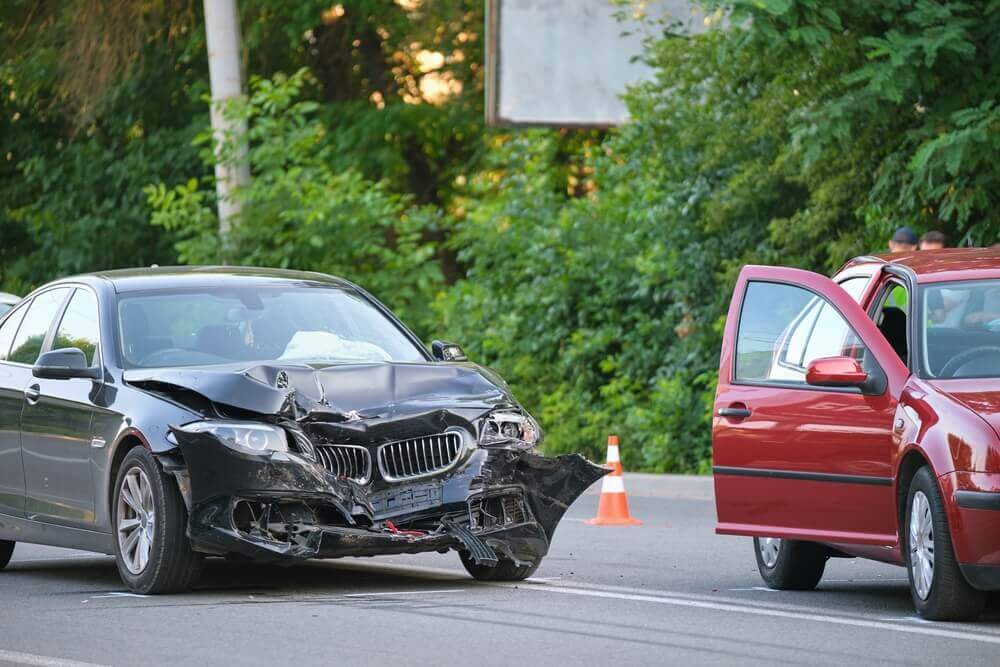
A hit-and-run is typically treated like an accident with an uninsured driver. Your coverage options determine what gets covered and paid for:
| Coverage Type | What It Pays For |
| Collision coverage | Repairs or replacement of your car, minus deductible |
| Comprehensive coverage | Non-collision damages such as theft, vandalism, weather-related damage, and other non-collision losses |
| Uninsured Motorist Property Damage (UMPD) | Vehicle damage when at-fault driver is unidentified |
| Uninsured Motorist Bodily Injury (UMBI) | Your injuries when at-fault driver has no insurance |
| Medical Payments (MedPay) | Medical bills regardless of fault |
| Personal Injury Protection (PIP) | Medical expenses, lost wages, essential services |
Liability insurance alone pays for damage you cause to others—it won’t cover your own car repairs after a hit-and-run. This is why comprehensive and collision coverage matter for protecting your vehicle. Comprehensive coverage pays for damages caused by events other than a collision, such as theft, vandalism, and weather-related incidents, and can also cover damage to other vehicles or incidents involving multiple vehicles.
You can enhance your protection with additional insurance or optional coverage, which may be especially important if you lease or finance your vehicle, as lenders often require certain coverages. Understanding your policy limits and how much coverage you need is crucial—consider your assets and state requirements to ensure you’re adequately protected and not underinsured.
Acceptance Insurance works with high-risk and non-standard drivers—those with tickets, prior lapses, or past accidents—to help them access these protections. If you’re carrying only state minimum liability coverage, you’re at significant financial risk. The average hit-and-run incident costs approximately $4,500, and proper coverage can reimburse 70–80% of repair and medical costs.
Drivers can achieve significant savings on their car insurance premiums by qualifying for discounts, such as those for safe drivers, safe driving, good driving habits, low mileage, and bundling multiple insurance policies.
Step-by-Step: Filing a Hit-and-Run Claim with Your Insurer
Here’s what to expect from the car insurance accident claims process:
Contact Your Insurer Promptly
- Call the 24/7 claim hotline or use online forms.
- Acceptance Insurance customers can also work directly with local agents.
Provide Initial Details
- Share your police report number.
- Provide the exact time and date, location, how the crash occurred, injuries, and whether you suspect the driver was impaired.
Submit Evidence
- Upload photos, videos, witness statements, and security camera footage so the adjuster can verify your hit-and-run claim quickly.
Schedule Vehicle Inspection
- Some insurers send appraisers to body shops.
- Others use photos for remote estimates to assess property damage.
Understand Your Deductible
- Example: If repairs cost $4,500 and your deductible is $500, your payout would be $4,000.
Subrogation Possibility
- If the fleeing driver is later identified, your insurer may pursue recovery from their insurance.
- Success rates hover around 15–20%, but you may recover your deductible if successful.
For medical claims, keep organized records of bills, treatment notes, and proof of lost wages. Acceptance Insurance policyholders can get guidance navigating state-specific rules through local agents familiar with non-standard policies.
Protecting Yourself Before the Next Hit-and-Run: Coverage and Prevention Tips
No one can fully prevent becoming a victim, but you can significantly reduce financial impact.
Review Your Policy Now
Confirm you have:
- Collision insurance
- Uninsured/underinsured motorist coverage
- Medical payments or PIP coverage
- Check your coverage limits and deductible amounts. Drivers carrying only minimum state requirements face higher out-of-pocket costs, especially with financed vehicles.
Consider Additional Coverage
- Roadside assistance for towing and emergency help
- Rental car reimbursement
- Gap coverage for financed or leased cars
Prevention Strategies
- Park under good lighting near store entrances
- Back into spaces when safe for quicker exits
- Install a dash cam that records continuously—this can boost evidence quality by 50%
- Keep valuables hidden to avoid break-in-related incidents
Keep your contact and vehicle information current with your insurance company, including updates after moving or buying a new car.
Get Protected Today!
Acceptance Insurance specializes in helping drivers with imperfect records—SR-22 requirements, tickets, accidents, or prior lapses—access meaningful protection. Give us a call at 877‑405‑7102 or visit one of our locations near you or get a quick quote online.
Common Questions About Hit-and-Run Accidents and Insurance
Do I have to pay a deductible after a hit-and-run?
Yes, if your claim is paid under collision coverage or certain uninsured motorist property damage coverages, your deductible typically applies. The specific amount depends on your auto insurance policy terms. If the fleeing driver is eventually found and their insurer pays, your insurance company may attempt subrogation to recover your deductible—though this outcome isn’t guaranteed. Contact your Acceptance Insurance agent to understand which deductibles apply to your specific situation.
Will a hit-and-run claim raise my insurance rates?
Several factors determine how a claim affects your auto insurance premium. Insurer rating rules vary, and state regulations differ significantly. Your prior claim history, fault determination, and which coverage type pays the claim (collision vs. uninsured motorist) all influence future rates. Generally, pure victim claims under uninsured motorist coverage may have less impact than at-fault collision claims. Ask your Acceptance Insurance representative how hit-and-run claims are typically handled in your state and for non-standard policies.
What if I don’t have collision or uninsured motorist coverage?
If you carry only liability coverage, your policy generally won’t pay for your own vehicle repairs after a hit-and-run. You’d need to pay out of pocket or pursue recovery directly from the hit-and-run driver if they’re identified and have assets. Many drivers discover this gap too late. Contact Acceptance Insurance to explore adding collision and uninsured motorist coverage—cost effective options exist even for drivers with imperfect records.
How long do I have to file a hit-and-run claim?
Insurance policies typically require prompt notice—often “as soon as reasonably possible.” Exact timelines vary by company and state. Separate legal deadlines (statutes of limitation) may apply if you decide to pursue a lawsuit after the at-fault driver is identified, usually 2–3 years depending on jurisdiction. Call your insurer immediately after reaching safety and ask about specific policy or state deadlines.
What if I was injured as a pedestrian or cyclist in a hit-and-run?
In many states, your own auto policy’s uninsured motorist coverage, MedPay, or PIP can help cover medical expenses even when you weren’t in your car. Health insurance may also help with medical bills but won’t cover vehicle repairs or certain other losses. Injured pedestrians and cyclists should contact both their auto insurer and, if appropriate, consult with a legal professional to understand all available coverage options and recovery paths.

Ready to Get a Quick Quote?

