
Why Car Repairs Cost More Than Ever and What It Means for Drivers

Erandi García is an Acceptance Bilingual Senior Copywriter. With nearly 10 years of experience in content creation, her career has allowed her to explore the world through internat...

Cyndi Wright is the senior copywriter and content manager at Acceptance Insurance. With a career that has spanned many facets of writing across a variety of platforms, Cyndi loves ...

Rose Carter is an accomplished content strategist and marketing leader with a proven track record of creating impactful, results-driven content. With expertise in writing, editing,...

Picture this: a minor fender bender in a parking lot. No injuries, barely a dent. Then the estimate arrives, and it is $2,800 because the bumper houses radar sensors that need replacement and calibration. That is the reality of car repairs in 2026.
According to U.S. Bureau of Labor Statistics data, the motor vehicle maintenance and repair index for urban consumers has climbed from about 161 in 1997 to roughly 450 in early 2026, an increase of nearly 180%. A repair that costs $500 back then now runs $1,400 to $1,500 for comparable work. This article breaks down why vehicle maintenance and repair costs keep rising, how it affects your insurance, and what you can do to protect your wallet. Acceptance Insurance exists to help value-conscious drivers in 14 states navigate exactly this challenge.
Key Takeaways
- Average car repair costs have nearly tripled since the late 1990s, driven by advanced vehicle technology, parts shortages, labor gaps, and inflation.
- Rising repair prices push insurance premiums higher, increase deductibles, and cause more vehicles to be declared total losses after even moderate accidents.
- Common car repairs mostly involve maintenance to prevent larger issues, and staying on schedule with oil changes, brake inspections, and fluid checks can save thousands.
- Choosing the right repair shop and getting a second opinion on costly estimates protects your budget from overpaying.
- Acceptance Insurance agents across 14 states can help you find affordable auto insurance coverage that accounts for today’s real-world repair costs.
How Car Repair Costs Have Changed Since the Late 1990s
The BLS tracks what consumers actually pay for professional repair services through its Consumer Price Index. That index has nearly tripled over three decades. In practical terms, a $500 brake and suspension job in 1997 would cost roughly $1,400 to $1,500 today. Annual increases of 3 to 4 percent have outpaced general inflation in many years, especially after 2020 when supply chain and labor disruptions hit the industry hard. Recent year-over-year growth exceeds 5 percent.
To see what that means on a single invoice: replacing a catalytic converter costs about $1,500 on the low end and can exceed $3,500 for trucks or luxury models. A transmission replacement can cost between $4,000 and $5,000. These are not outliers. They are standard prices for common failures on vehicles many families drive every day. This upward trend is not a temporary sticker shock. It is structural, and drivers and insurers must plan around it.
Top Reasons Vehicle Repair Costs Keep Rising
Five main factors drive repair bills higher in 2026: advanced technology, parts shortages, labor gaps, inflation, and growing complexity in engines and safety systems. Each adds significant cost to visits.
1. Advanced Vehicle Technology and Electronics
Modern cars have ADAS features like lane-keeping assist and blind-spot monitoring, requiring costly recalibration after minor damage—adding $500 to $1,500. Diagnostic fees are common due to the specialized tools and software needed, especially for hybrids and electric vehicles.
2. Supply Chain Disruptions and Parts Shortages
Semiconductor shortages, rising precious metal costs, and shipping delays limit parts availability. Backordered OEM parts push shops to pricier alternatives, increasing costs and repair times. Older vehicles face discontinued parts, leading to expensive aftermarket options.
3. Labor Shortages and Higher Skilled-Wage Costs
Certified technicians trained in modern electronics are scarce. To attract talent, shops raise wages and invest in training. Labor rates now range from $120 to $250 per hour, with complex diagnostics adding billable hours.
4. General Inflation and the Cost of Doing Business
Rising rent, utilities, insurance, and disposal fees increase shop overhead, affecting even routine services. Specialized equipment for newer models adds further expense.
5. Increasing Complexity of Engines, Emissions, and Safety Systems
Turbochargers, direct injection, and advanced emissions controls improve efficiency but add failure points. Repairs like head gasket replacements cost around $2,000. Modern airbags and seat-belt systems require extensive, costly post-accident repairs, raising overall expenses.
What Rising Repair Costs Mean for Your Auto Insurance
Insurance pools risk across many drivers. When average repair bills rise nationwide, insurers’ claim payouts follow, and that eventually shows up in premiums and deductible trends. Acceptance Insurance evaluates these factors across every state we serve, balancing affordability with the reality of current repair prices.
Higher Claim Payouts and Premium Adjustments
When a crash claim that used to cost $2,500 now runs $4,000 to $5,000, insurers must pay more per accident. Those higher loss costs push collision and comprehensive premiums upward. Different regions see different changes depending on local labor rates and the mix of newer vehicles on the road.
Deductibles and Out-of-Pocket Repair Costs
A deductible is the portion you pay before insurance covers the rest, typically $250 to $1,000. As repair costs rise, some drivers choose higher deductibles to keep premiums lower, but a $1,000 deductible on a $4,000 collision repair means paying one quarter out of pocket. If your budget is tight, avoid extremely high deductibles. Acceptance Insurance agents can walk you through “what if” scenarios to find a comfortable balance.
Total-Loss Thresholds and When Cars Get Written Off
A vehicle is declared a total loss when repair costs approach 70 to 80 percent of its actual cash value. Because parts and labor are more expensive now, it takes fewer damaged components to cross that line, especially older cars with lower market value. A 2012 sedan worth $6,000 could hit a $4,500 repair estimate after a front-end collision involving sensor and airbag replacement, triggering a write-off that surprises drivers who remember cheap fixes from a decade ago.

Liability, Medical, and Other Coverage Impacts
Rising repair costs also mean higher rental car and loss-of-use payments during longer repair times. Review your bodily injury and property damage liability limits periodically. Acceptance Insurance offers flexible liability options to help protect customers from paying out of pocket if an accident exceeds state-minimum limits. Contact a local agent to understand how higher repair values in your area should influence your coverage.
Common High-Cost Car Repairs and What’s Driving Their Price
Price ranges below are approximate 2026 figures for typical passenger vehicles. For any large estimate, consider a second opinion from another reputable shop before authorizing work.
Engine and Cylinder Damage ($7,000–$10,000+)
Severe engine damage from low oil, overheating, or ignoring check engine lights can cost $7,000 to $10,000 or more. Larger SUV engines cost even more. Shops often recommend remanufactured or replacement engines. Insurers may declare a total loss at these prices.
Transmission Repairs and Replacements ($4,000–$5,000+)
The transmission transfers power from engine to wheels. Signs of trouble include delayed shifting or slipping gears. Dealership rebuilds cost $4,000 to $7,500, while independent shops charge $1,800 to $3,500. Regular fluid changes help prevent issues.
Hybrid and Electric Vehicle Battery Packs (Around $6,000+)
High-voltage battery packs lose capacity after 8-12 years. Replacement costs $6,000 or more and requires specialized safety equipment. Battery replacement often factors into insurance total-loss decisions.
Safety Systems: Airbags, Sensors, and ADAS Components ($2,500–$4,000+)
Airbags must be replaced after deployment, along with control modules and seatbelt pretensioners. ADAS recalibration adds to costs. Proper repairs ensure safety and can cost $2,500 to $4,000 or more.
Exhaust and Emissions: Catalytic Converters and Related Parts (From $1,500+)
Catalytic converters use precious metals and cost at least $1,500 to replace, sometimes over $3,500. Theft is a concern; check insurance coverage. Suspension parts like tie rod ends and ball joints, brake line repairs (~$1,000), and air conditioning compressor replacement (~$500) are essential and costly when needed.
How Smart Vehicle Maintenance Can Help You Avoid Big Repair Bills
You cannot control market forces, but you can maintain your car to reduce the chance of a costly surprise. Regular maintenance improves fuel efficiency and vehicle longevity, making it one of the smartest investments you can make. Think of it as paying a little now to avoid paying a lot later. This is absolutely critical for drivers of older vehicles.
Oil Changes and Engine Care
Oil changes are a common maintenance service for vehicles and skipping them is the worst thing you can do for your engine. Most modern cars specify intervals between 5,000 and 10,000 miles. Frequent short trips, stop-and-go traffic, or extreme heat in states like Texas or Arizona may require more frequent changes. A $50 to $100 oil change beats a $3,000 to $8,000 engine repair every time. A vehicle owner manual includes the recommended maintenance schedule, and many vehicles have built-in reminder systems for maintenance services.
Responding to the Check Engine Light and Other Warnings
A steady check engine light means something needs attention soon. A flashing light signals a serious problem like a misfire that could damage the catalytic converter. Get your car checked at a trusted local shop rather than guessing. Catching a failing oxygen sensor or ignition coil early keeps costs in the low hundreds. Other dash lights for ABS, airbag, tire pressure, or battery charging also deserve prompt attention to maintain reliability.
Brakes, Tires, and Suspension: Safety and Cost Control
Brake pad and rotor replacement is needed every 25,000 to 50,000 miles. Brakes, batteries, and tire alignments are among the most common car repairs. Regular inspection of brakes, especially during oil changes, is recommended. Tire rotation and balancing extend tire lifespan by ensuring even wear. Battery replacement is required when it can no longer hold a charge. Replacing worn struts or shocks early protects the rest of the suspension system and preserves your ride comfort, preventing further tear and wear on connected components. Spark plugs usually need replacement around 100,000 miles.
Seasonal and Preventive Checks
Before summer heat and winter cold, have coolant levels checked. Overheating can lead to head gasket failures. Test the battery and charging system yearly, especially in hot climates. These seasonal checks keep you aware of developing issues and help you cool potential problems before they become expensive emergencies.
Choosing and Working with a Local Repair Shop
Where you take your car for services can significantly affect cost, quality, and how smoothly an insurance claim is handled. Choosing a reliable shop before you need one reduces stress later.
How to Find a Trustworthy Auto Repair Shop
Look for proper licensing, up-to-date certifications, and a clean facility. Ask friends and family for recommendations. Call ahead to ask about experience with your make and model. Consult Acceptance Insurance’s guide on assessing local repair shops for detailed steps. Start with a small service to evaluate a shop before trusting them with a major fix.
Understanding Estimates, Parts Choices, and Warranties
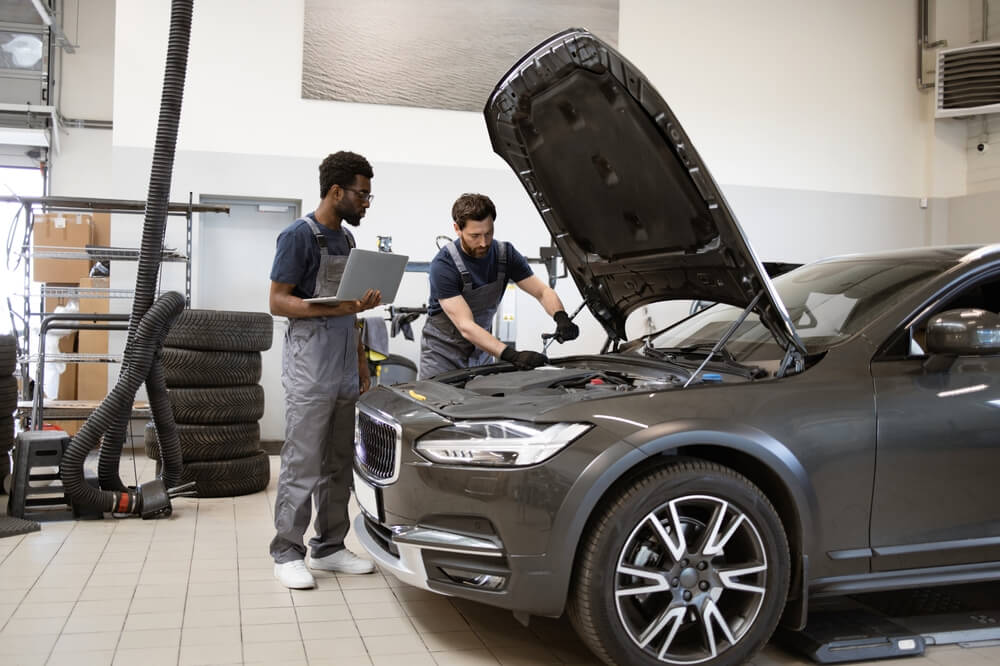
You must receive an estimate before repairs start. A reputable shop will provide a written estimate detailing parts and labor charges. You can authorize repairs in written, oral, or electronic form. Using quality parts during repairs ensures optimal performance. Ask about warranty work coverage and whether parts carry guarantees. The standard process for car repairs includes drop-off, diagnosis, authorization, and repair. Mechanics utilize the Three C’s to address car issues: concern, cause, and correction.
Auto shops must inform you of any additional repairs needed beyond the original estimate. You can request the return of replaced parts after repairs. You are entitled to a final invoice after repairs are completed. Post-repair, a quality inspection ensures the issue has been resolved. For anything over $1,500, get a second opinion to confirm diagnosis and pricing.
Coordinating Repairs with Your Auto Insurance Claim
After an accident, insurers often work directly with body shops to review estimates and arrange payment. Stay in contact with both your repair shop and your Acceptance Insurance representative during the process. Maintenance items and pre-existing wear found during repair remain the driver’s responsibility, but covered damage is handled subject to deductibles and policy limits.
Using Insurance Strategically to Protect Against Big Repair Costs
You cannot avoid every breakdown or accident, but you can use auto insurance strategically to limit the financial hit. The right mix of coverage depends on your vehicle’s value, age, and your budget.
Collision and Comprehensive Coverage: When They Matter Most
Collision coverage pays to repair or replace your vehicle after a crash. Comprehensive covers theft, vandalism, fire, and weather damage. In a world where bumpers and sensors are costly, dropping these coverages on a vehicle that still holds value can leave you paying the full bill. Drivers of older, low-value cars should weigh premium costs against actual cash value and their ability to absorb a total loss.
Roadside Assistance and Small-Breakdown Protection
Not every costly issue is a major engine failure. A dead battery, flat tire, or lockout can mean expensive towing. Roadside assistance covers these breakdowns and can prevent further damage, like towing an overheating car before the engine suffers permanent harm. Acceptance Insurance offers roadside options designed for budget-conscious drivers.
Non-Standard and High-Risk Drivers: Managing Costs When Your Record Isn’t Perfect
Drivers with past tickets, accidents, or coverage gaps pay higher premiums but face the same rising repair prices. Non-standard auto insurance from Acceptance provides flexible coverage for drivers who may not qualify with larger national brands. Be proactive with vehicle maintenance to reduce breakdowns that could further impact your record. Some states require an SR-22 filing, and Acceptance can help set that up while keeping things affordable. Work closely with a local agent to gradually improve your risk profile through safe driving and consistent payments.
Budgeting and Emergency Funds for Car Repairs
Building an emergency fund can help cover unexpected repair costs. Even $25 to $75 per month in a dedicated car fund makes a huge difference when facing an $800 brake job or $1,200 suspension repair. Review your last few years of service receipts to estimate a realistic annual budget. When a tax refund or bonus arrives, allocate a portion to needed maintenance or your emergency fund.
How Acceptance Insurance Helps Drivers Navigate Today’s Repair Landscape
Acceptance Insurance operates more than 280 neighborhood locations across 14 states. Local agents see firsthand how shop prices, labor rates, and claim costs are changing in their communities. The brand’s commitment is straightforward guidance with no jargon, helping customers shop, compare, and save.
Local Agents Who Understand Real Repair Costs
Acceptance agents live and work locally, seeing firsthand the trends in shop rates, claim amounts, and common vehicle issues. They help you choose coverage levels that fit your needs and explain how deductibles affect repair claims. Bring repair quotes to your agent for clear guidance on coverage and costs.
Flexible Coverage Options for Different Vehicle Ages and Budgets
Many customers drive vehicles beyond warranty periods with unique insurance and repair risks. Acceptance offers customizable liability, collision, comprehensive, and roadside assistance coverage, plus adjustable payment plans to keep insurance affordable. Learn more at Acceptance Insurance’s auto insurance page or visit a local office.
Support for High-Risk and Non-Standard Drivers
Drivers with older vehicles and limited savings face higher repair risks. Acceptance agents help balance coverage and deductibles to meet state rules and personal needs. Even with higher deductibles, comprehensive and collision coverage provide vital protection against costly total losses.
Staying Ahead of Rising Car Repair Costs
Car repair and vehicle maintenance are much more expensive in 2026 and unlikely to drop. Understanding the causes of rising costs helps you make smarter choices about maintenance, shop selection, and insurance. Take three steps now: schedule overdue maintenance, review your policy and deductibles, and talk to a local Acceptance Insurance agent. Even on a tight budget, simple actions like timely oil changes, addressing warning lights promptly, and building a small repair fund can prevent costly surprises.
Ready to explore your options? Call us at 877-405-7102 or visit one of our locations near you or get a quick quote online.
Frequently Asked Questions About Rising Car Repair Costs and Insurance
Is it still worth repairing an older car when repair costs are so high?
It depends on the car’s value and condition. If a repair costs more than half the vehicle’s worth and other repairs are needed, it may be time to replace it. Consult both your mechanic and Acceptance Insurance agent to understand total-loss options.
How can I tell if a repair estimate is too high?
Get estimates from two reputable shops and compare labor, parts, and services. Large differences warrant questions. For insured repairs, an Acceptance Insurance claim rep can review the estimate.
What should I do if I can’t afford a major repair right now?
Don’t ignore safety issues. Ask if repairs can be phased, prioritize urgent fixes, and explore financing or loans. Review your insurance with an Acceptance agent to prepare for future costs.
Does regular vehicle maintenance really lower my insurance costs?
Insurers rarely discount for maintenance, but fewer claims help keep rates stable. Well-maintained cars retain value, aiding total-loss settlements. Maintenance and insurance together protect your investment.
How often should I review my auto insurance as repair costs change?
Review your policy annually or after major life changes. Check if your coverage and deductibles still fit your needs. An annual chat with an Acceptance agent helps spot discounts and adjust coverage before accidents.

Ready to Get a Quick Quote?

