
Life After a DUI: Tips for Personal and Professional Recovery

Andrea Perez is a bilingual content writer at Acceptance, where she creates strategic content for multiple brands within the insurance industry. With a background in journalism, ed...

Cyndi Wright is the senior copywriter and content manager at Acceptance Insurance. With a career that has spanned many facets of writing across a variety of platforms, Cyndi loves ...

Rose Carter is an accomplished content strategist and marketing leader with a proven track record of creating impactful, results-driven content. With expertise in writing, editing,...

You made a mistake. A big one. You realized that as soon as you saw the flashing lights in your rearview mirror and were pulled over to the side of the road. Among what will possibly be coming after deciding to drink and drive is possibly a night spent in jail and some financial misfortune. Increased auto insurance rates may be just one consequence among many.
Owning up to your mistake and making some personal changes will help you get through what is coming. There really is life after a DUI. A conviction isn’t the end of the world — even if it seems like it now. You can take concrete steps to reduce your auto insurance rates, get your full driving privileges back, and help make things normal again.
Navigating the Aftermath of a DUI
The legal charge might have different names in different states. It might be called driving while intoxicated (DWI) in one part of the country. Elsewhere, the charge might be operating under the influence, or OUI. Whatever it’s called where you live, a DUI or its legal equivalent is trouble. Here’s how to recover from a DUI.
Accepting Responsibility and Making Amends
Get a lawyer. DUI, DWI, OUI, and similar labels are defined by state law. Driving under the influence is a criminal offense involving operating a motor vehicle while impaired. Contest the charge if you’re not guilty, ideally with legal representation from a licensed attorney, or your charges from a DUI offense might be dropped or reduced without too much cost or hassle. But if you’re convicted for DUI, you can spend a lot of time and money appealing — or accept responsibility and vow to do better in the future.
That means realizing that the mistake was only yours. The laws against drinking and driving aren’t unfair. The cop and the judge weren’t out to get you. Now, it’s your responsibility to follow your court order and learn how to live within your new (and temporary) limits.
Understanding the Legal Implications and Moving Forward
The penalties for DUI (or similar charges) vary depending on where you live, and whether this is your first conviction — or your sixth. In every state, the penalties get harsher if you repeat the same mistake, and repeat offenders often face harsher penalties, steeper fines, and a possible jail sentence based in part on prior DUI convictions and overall criminal history.
Wherever you live, and regardless of how often you’ve been convicted, your car insurance after a DUI will cost more. After a DUI arrest, the legal system may involve both court proceedings and administrative action affecting your driver’s license, and a person convicted may also face legal fees and court costs tied to DUI charges and other DUI offenses. Your ability to drive will most likely be impacted, at least initially. That might mean your driver’s license suspended, a loss of the person’s driving privilege, or permission to drive only in limited and predetermined situations. In some cases, DUI offenders may be offered terms such as DUI probation if they plead guilty, while later violations can bring future offenses and future infractions into play.
If you can’t drive at all for a period of time, find out how to get around on foot, by public transportation, or by the kindness of friends and family. Can you work from home? You might also appeal for limited driving privileges so you can get to work, take the kids to and from school, go to medical appointments, or meet other critical demands while staying compliant with the court order and avoiding impaired driving.
Rebuilding a Personal Life Post‑DUI
It might be tempting to see your DUI as a one‑time thing. You rarely over‑consume and never drive when you do. The night you got caught was just a weird exception. And that might be the truth, but repeat offenders and people with prior DUI convictions usually face harsher penalties, steeper fines, a greater risk of a jail sentence, and added court costs and legal fees.
A DUI arrest usually leads to court proceedings, including an arraignment where the charges are presented and the person may plead guilty or enter another plea.
Your DUI recovery period is a good time to reflect on your lifestyle. Do you spend a lot of nights in bars? Is the cocktail hour the most exciting part of your day? Do you often drink alone at home? Have you had other instances when your driver’s license was at risk of being suspended, limiting your driving privilege, or when you were on the road after heavy alcohol consumption and fortunately didn’t get caught?
Being arrested for your DUI might actually be a lucky event if it causes you to take a harder look at your life and make certain changes, especially because criminal history and DUI probation can affect what limited privileges or outcomes may be available if you appeal under the legal system. The next police stop, after all, could be after an accident involving alcohol-related injuries or fatalities.
Developing Healthy Lifestyle Habits to Prevent Future Incidents
The penalties will get harsher for second, third, and additional convictions. The fines will be steeper, and you’ll eventually face jail time. You’ll keep paying for lawyers, and over time all insurance companies will stop offering you even expensive coverage. Or your license will be forfeited, making insurance costs a moot point. Many people also end up in court ordered treatment after a conviction, including court ordered alcohol classes or programs that address alcohol abuse, substance abuse issues, and mental health. If the case involves alcohol or other drugs, you may also have to attend treatment as a condition of probation.
None of that has to be in your future. If your drinking or drug consumption is getting out of hand, you can find help online in the form of treatment centers and support groups. Or ask your doctor for help.
If you regularly drink, but don’t think it’s a serious problem, at least socialize closer to home. Is there a bar or restaurant within walking or public transit distance? Do you have non‑drinking friends who can serve as designated drivers? Or can you retire your car keys for the night and do all of your drinking at home? Read about 5 ways to prevent drinking and driving.
Just remember, drinking too much can quickly impair judgment, lower impulse control, and make risky choices behind the wheel feel easier than they should—and the next stop could follow a crash involving alcohol related injuries or fatalities.
Strategies for Professional Recovery
The impact of a DUI can reverberate in your place of employment, particularly if it causes you to miss significant work time. That’s why your work status should be top of mind as you begin your DUI recovery.
Overcoming Employment Stigma After a DUI Conviction
Your conviction can affect your employment picture in a couple of ways. It might get you in trouble with your current employer or make it difficult to get a new job later.
If you can’t go to work because you’re in jail or unable to find transportation after a license suspension, you might find yourself out of work unless you have an understanding boss. To avoid that possibility, see if your lawyer can get you limited driving privileges so you can get to work. Or figure out dependable alternative means of transportation. Can you get a ride from a co‑worker who lives nearby? Take the bus? Walk or bike to your place of employment?
None of the alternatives might be ideal, but it is worth it if it means keeping your job. If there are no other good options, is working from home a possibility? This will mean having an honest discussion with your employer. Convince your boss that it was a one‑time error and indicate what you’ve done to minimize the risk of it happening again.
If your DUI conviction is a first offense, it’s probably a misdemeanor. If that’s the case, you won’t need to mention it when job-hunting in the future. But if you have multiple offenses, or your only DUI resulted in other serious charges, you’ll have felonies on your record.
Many employers insist on a background check before hiring, so don’t lie on the job application when asked if you have a felony. You’ll need to get out in front of the issue in the interview. Explain the circumstances and the changes you’ve made in your lifestyle to improve your situation.
The Legal Road to Redemption
It might seem for quite a while that it’s you against the law. The fees and penalties are high, and your driving privileges are either lost or severely restricted. But there’s some good news: All of this is temporary as long as you act responsibly moving forward. At Acceptance Insurance, we have experience helping high-risk drivers find affordable coverage options.

Meeting Court and DMV Requirements
Although coping with a DUI conviction can be difficult, don’t ignore your court order — the penalties increase for driving with a suspended license. In some states, the implied consent law also creates requirements during a DUI stop. That can mean harsher fines, a time extension of your license suspension, and sometimes even jail time. It’s not worth it.
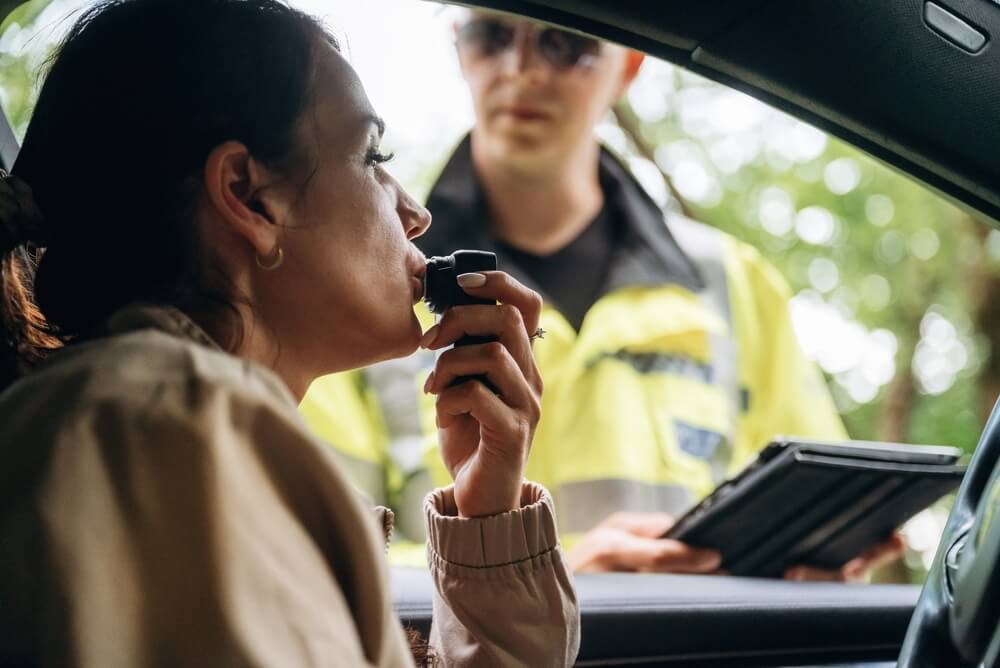
At checkpoints—pre-identified locations where officers may stop every vehicle or every fourth vehicle—or during traffic stops, a law enforcement officer or police officer may use field sobriety tests, a preliminary alcohol screening, or a PAS test before requesting a breath test or other chemical testing to assess impaired driving. Those assessments typically include the horizontal gaze nystagmus, walk-and-turn, and one-leg stand, and their primary purpose is to help establish probable cause. Reported accuracy rates are about 77% for HGN, 68% for WAT, and 65% for OLS.
Ask your lawyer or the court system if you don’t understand any aspects of the court order. Your legal documents will likely include a phone number for such assistance, and if questions come up about requests from the arresting officer, refusals, or court filings, legal representation can also help in the criminal case and at any Department of Motor Vehicles hearing.
Regaining Driving Privileges Responsibly with Ignition Interlock Devices
Most states have what’s known as SR‑22 insurance. This is liability car insurance coverage that the state mandates once your driving suspension has been lifted. This insurance is usually more expensive and may be one the setbacks you’ll experience. In many states, a person convicted of DUI must also install an ignition interlock device to regain driving privileges. The ignition interlock checks the driver’s breath before the car starts. You must file forms with your state’s DMV to show proof that you’ve obtained this coverage, and completing an alcohol education program is often required before a suspended driver’s license can be reinstated. Your auto insurance agent can provide you with this coverage and file the paperwork for you.
There might be further restrictions on your driving privileges. Make sure you know the details and comply with all laws and regulations.
The cost of your SR‑22 coverage will almost certainly be higher than what you used to pay. The reason why SR‑22 insurance is needed is because your DUI made you a high-risk driver — one who is likelier than the average motorist to get into an accident and be sued or file an insurance claim. DUI offenders may also have to pay probation fees, alcohol education costs, and installation charges in addition to legal fees and insurance costs.
Fortunately, your high-risk status and your insurance rates decline over time if you have no additional DUIs, moving violations, or other road‑related legal issues. Eventually, you’ll be charged no more than what you used to pay (or even less). In the meantime, Acceptance Insurance agents have plenty of experience helping high-risk drivers find affordable insurance options.
Making Sure You’re Covered on the Road to DUI Recovery
At Acceptance Insurance, we’ve helped countless high-risk policyholders deal with life after a DUI by getting them back behind the wheel legally with affordable auto insurance. Recovery often starts with SR‑22 or FR-44 coverage, which we’ll help you obtain just as we’ve done for thousands of motorists.
Our independent auto insurance agents don’t work for just one insurer. They represent the lines of numerous brand name insurance companies. That means they can shop for the most affordable coverage regardless of your driving status.
Call 877‑405‑7102, or get a quick online quote. You can also find an Acceptance Insurance office near you and discuss your situation with one of our understanding agents.
Frequently Asked Questions About DUIs and Insurance
How long does a DUI affect your insurance?
A DUI can impact your car insurance rates for several years, typically between 3 to 7 years, depending on your state and insurance provider. During this period, you can expect significantly higher premiums because insurer’s view drivers with DUI convictions as high-risk.
Can you get affordable car insurance after a DUI?
Yes, it is possible to find affordable car insurance after a DUI, but it may require shopping around and working with insurance agents who specialize in high-risk drivers. Companies like Acceptance Insurance offer SR-22 insurance and other coverage options tailored to drivers recovering from a DUI.
What is SR-22 insurance?
SR-22 insurance is a certificate of financial responsibility required by most states for drivers who have been convicted of a DUI or had their license suspended. It proves that you carry the minimum required liability coverage. An SR-22 filing is often necessary to reinstate your driving privileges after a DUI.
Will a DUI stay on my driving record forever?
A DUI does not stay on your driving record forever. The length of time varies by state but typically ranges from 5 to 10 years. However, some states may keep records longer for legal or administrative purposes. Even after it falls off your driving record, the conviction may still appear on your criminal record.
Can your insurance company cancel you after a DUI?
Yes, insurance companies can cancel or non-renew your policy after a DUI conviction because it classifies you as a high-risk driver. However, many insurers offer specialized policies for drivers with DUIs, though at higher premiums. It’s important to disclose your DUI to avoid policy cancellation for non-disclosure.

Ready to Get a Quick Quote?

