
What Happens If Your Insurance Lapses — And How to Recover

Erandi García is an Acceptance Bilingual Senior Copywriter. With nearly 10 years of experience in content creation, her career has allowed her to explore the world through internat...

Cyndi Wright is the senior copywriter and content manager at Acceptance Insurance. With a career that has spanned many facets of writing across a variety of platforms, Cyndi loves ...

Rose Carter is an accomplished content strategist and marketing leader with a proven track record of creating impactful, results-driven content. With expertise in writing, editing,...
What happens if insurance lapses? That’s a question a lot of people ask themselves, and if you’re asking it, the answer is simple: It means you no longer have coverage for situations that might cause you to owe a lot of money. It can also affect agreements you have with others. A car insurance lapse can create legal trouble if you drive without coverage. A home insurance lapse can leave your property exposed and may create problems with your mortgage lender. This guide from Acceptance Insurance will help you learn about how you can fix this problem if it does happen with minimal fuss, including how to get an affordable auto policy quote or homeowners insurance quote if you need to get back the protection you’ve lost.
What Does It Mean to Have an Insurance Lapse?
An insurance lapse means your policy is no longer active for some period of time. In simple terms, there is a break between the date your old coverage ended and the date your policy starts again. BUT: A gap in coverage is not always the same thing as a cancellation. A cancellation is the action that ends the policy. A lapse is the result; the time you spend without active coverage. And it happens more often than you might think, unfortunately.
Why Insurance Lapses Happen More Often Than People Think
The quick answer: A failed card, a bad autopay setup, a missed renewal notice, or a delay between old and new policies can all create a gap. Unfortunately, all of these are common auto policy mistakes that could cost you plenty. This can happen after a missed payment, a policy cancellation, a nonrenewal, or if you don’t start a replacement policy fast enough. With auto coverage, insurers usually send notice before canceling for nonpayment. Some companies offer a short grace period. Common auto grace periods are often around 10 to 20 days, but the exact timing depends on state law and the insurer. Home policies may also have a grace period, but not every company allows one.
What Can Happen After an Insurance Lapse?
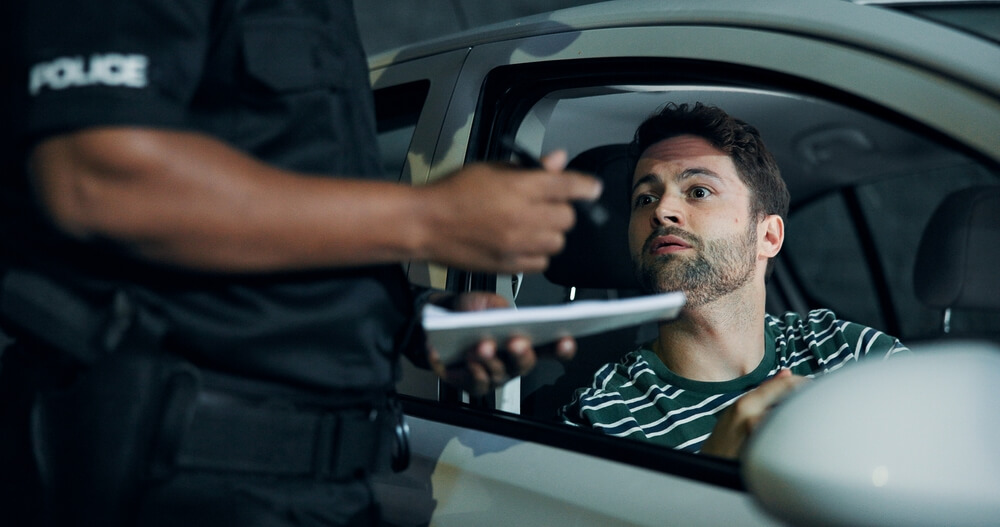
If you lose your auto coverage and get into an accident, you’ve likely violated state laws, and you also will have your personal assets (bank accounts, retirement accounts) up for grabs if the other party sues you. New York is especially strict; if a registered vehicle has no liability coverage, the DMV can suspend registration, and longer lapses can also lead to a license suspension.
A home insurance lapse creates a different risk. If your house is damaged by fire, storm, theft, or another covered loss during the gap, you may have to pay the full cost yourself. You can also lose liability protection if someone is hurt on your property. Another problem with losing your homeowners coverage is that your mortgage servicer may buy its own policy to protect the property (they have a lot to lose as well if something happens, after all). This is called “force-placed insurance” — and it is about protecting the lender, not you.

How Long Can an Insurance Lapse Can Affect You?
What happens if insurance lapses depends on what point in time you’re talking about. There are two lengths of time you need to think about with a gap: Today, and going forward. Today, if you don’t have auto or homeowners coverage, an accident or mishap can clean out your entire bank account. There won’t be any protection for that loss if you don’t have an active policy when something happens.
When you get a new policy, you’ll likely need to pay higher premiums. An auto insurer may decide to charge more for your policy after a gap, and the state you live in might require your insurer to file a certificate indicating you have coverage via an SR-22 form. Homeowners insurers may also deny you coverage if a gap in coverage occurred because you didn’t pay your premiums. Of course, things happen, and some insurers are more lenient than others with coverage lapse recovery.
How to Recover After an Insurance Lapse
The good news is that insurance policy reinstatement is usually possible. If a gap occurred because you missed a payment, catching it quickly can potentially fix the problem. The goal here is to move quickly.
Act Quickly to Restore Coverage
First, damage control. If you lose your coverage, do not drive your vehicle before insurance policy reinstatement. If you do, you can expose yourself to serious problems like those mentioned above. If you lost your homeowners policy, contact your loan servicer immediately.
The next step in coverage lapse recovery is to contact your insurer and ask them three questions:
- Has my policy lapsed?
- Am I in a grace period?
- Can my policy be reinstated immediately?
If the answer is yes, pay immediately and ask for confirmation that you have an active policy once again. If your insurer won’t reinstate your policy, you need to begin shopping. It’s better to take a new policy quickly to avoid insurance lapse consequences, even if it means you pay more. For homeowners, if your lender has already started force-placed coverage, send proof of insurance policy reinstatement or your new policy to the servicer and ask them to cancel that lender-placed policy. CFPB guidance says the servicer must cancel force-placed coverage within 15 days after it receives proof of compliant coverage and refund overlapping charges.
Avoid Future Gaps in Coverage
Now that you’re back in business, you need to keep things like this from happening again. If the reason your policy lapsed was due to nonpayment, set up autopay. Create calendar reminders, and make sure your insurer has all the correct contact info for you. Ensure that you can actually make payments (a valid bank account, credit card, etc). You should also ask your agent if your car policy renews automatically.
If cost was the cause of the lapse, ask about ways to lower the bill. A different payment schedule, a higher deductible, or bundling policies may help you stay insured. It is easier to adjust a policy before a missed payment than to fix a gap later.
Why Staying Continuously Insured Matters
Continuous coverage does more than keep you legal or satisfy a lender. It protects your finances from sudden, high-cost surprises. It can also help you avoid higher rates, lost discounts, underwriting problems, and mortgage headaches tied to a gap in coverage. But lapses don’t mean that you have permanent damage to your insurance record. Coverage lapse recovery is real, and many people get back on track every day.
Let’s Get You Back on Track
If you find yourself asking, “What happens if insurance lapses?” then be sure to give us a call. At Acceptance Insurance, we work with drivers and homeowners like you to get back on track. If you had a gap in coverage, we can help avoid some of the insurance lapse consequences. We can also ensure that you have the right policy designed for your specific situation. Ready to get started with your own custom quote? Give us a call at (877) 405-7102, get a quote online, or visit one of our locations near you today!
FAQs
Does a Short Lapse Matter?
Yep. Insurance lapse consequences can be a big deal, even for a short gap, because it means you may not have the protection you need if something happens. This affects everything: claims, legal issues, future rates, and more.
Does a Lapse Follow Me If I Switch Insurance Companies?
Usually, yes. New insurers commonly ask about prior coverage and gaps. A recent lapse can affect price, eligibility, or discounts.
Does a Lapse Matter If I Wasn’t Driving or Living in the Home?
It still can. If you were not driving, auto insurers may still treat the break as a rating factor. If you were not living in the home, the property could still have been damaged, and your lender may still require coverage if you have a mortgage.
Does an Insurance Lapse Affect Home and Auto Insurance Differently?
Yes. A car insurance lapse usually creates legal and driving-related consequences first. A home insurance lapse usually creates property and mortgage-related consequences first. Both can also lead to higher premiums later.
Is There a Difference Between a Lapse and a Cancellation?
Yes. A cancellation is when the policy is ended by the insurer or policyholder. A lapse is the period when coverage is not active. A cancellation can cause a lapse, but the words have different meanings.

Ready to Get a Quick Quote?

