
What Is an Anti-Theft Device in Car Insurance?

Ashley Walrath is a results-driven content strategist and copywriter known for creating clear, engaging content that connects brands with their audiences while supporting measurabl...

Cyndi Wright is the senior copywriter and content manager at Acceptance Insurance. With a career that has spanned many facets of writing across a variety of platforms, Cyndi loves ...

Rose Carter is an accomplished content strategist and marketing leader with a proven track record of creating impactful, results-driven content. With expertise in writing, editing,...
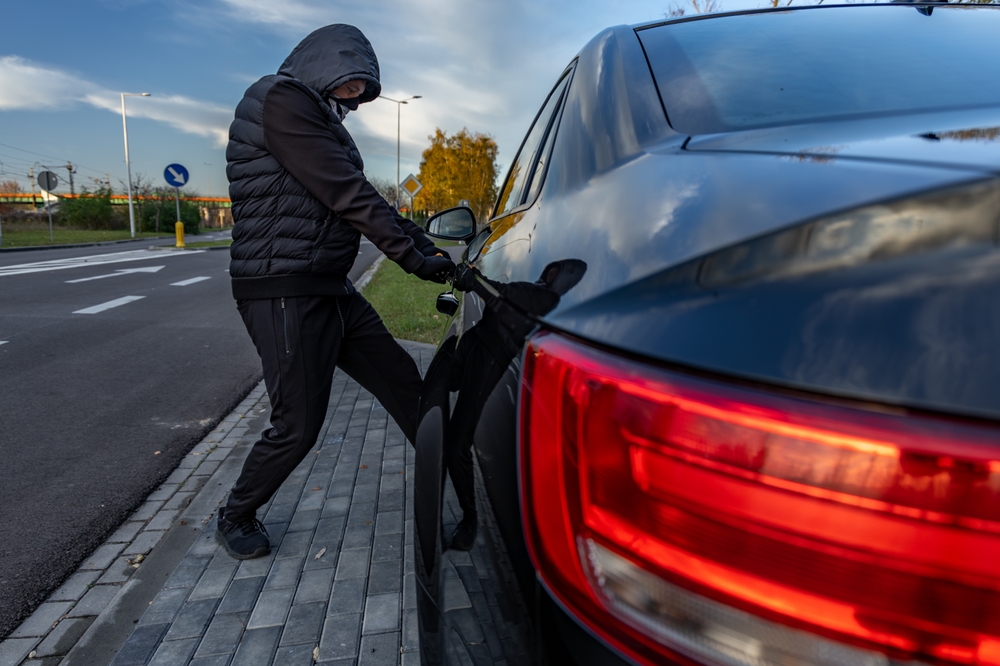
If you’ve ever wondered whether that steering wheel lock or built-in alarm could actually save you money on your auto insurance policy, the short answer is yes-it often can. Here’s what you need to know about anti-theft devices, how they connect to your car insurance, and where the real savings are.
Key Takeaways
- An anti-theft device is any security feature designed to prevent vehicle theft, delay thieves, or help recover a stolen vehicle. Insurers may reward these with an anti-theft device discount on comprehensive coverage.
- Only comprehensive car insurance covers theft of the vehicle itself. Personal items stolen from your car are usually covered by renters or homeowners insurance instead.
- Common types of anti-theft devices include car alarms, steering wheel locks, GPS trackers, immobilizers, and smart keys. Insurer-approved devices are most likely to earn an anti-theft discount.
- Anti-theft discounts typically reduce the comprehensive portion of auto insurance by around 5–25%, depending on the state, the insurer, and the specific security features installed.
- Contact Acceptance Insurance to find out which cost-effective anti-theft options suit your situation and how much you could save on your car insurance.
What Is an Anti-Theft Device for Cars?
An anti-theft device is any tool, system, or technology installed in a vehicle to deter car theft, delay thieves, or help locate a stolen car for recovery. It protects your vehicle from theft or unauthorized access.
These devices can be visible-like steering wheel locks or wheel clamps-or hidden, such as kill switches, electronic immobilizers, and GPS trackers. Insurance companies assess risk to determine premium rates, and they look closely at whether a car has these security measures when pricing the comprehensive portion of a policy.
Most vehicles sold in the U.S. since the late 2000s include some factory-installed anti-theft features. Older cars typically rely on aftermarket devices. Not every device automatically earns a discount- carriers like Acceptance Insurance consider proven effectiveness and state-specific rules before applying savings.
Does Car Insurance Cover Theft?
Only comprehensive car insurance covers theft of the vehicle itself, along with damage from attempted theft like broken windows, damaged locks, or stripped parts. A liability-only policy does not pay anything if your car is stolen or vandalized.
Personal items stolen from inside the car-laptops, phones, tools-are usually not covered under auto insurance. Those personal items typically fall under renters or homeowners insurance.
Anti-theft devices reduce the chance you’ll ever need to file a theft-related claim. Drivers who park on the street, commute into bigger cities, or live in areas with higher car theft rates—or who already pay more for high-risk auto insurance coverage—should strongly consider comprehensive coverage paired with extra security features.
Common Types of Anti-Theft Devices
Devices are generally categorized into visual deterrents, immobilizers, and recovery systems. Common types include alarms, immobilizers, tracking systems, and physical locks. Here are the most widely used options:
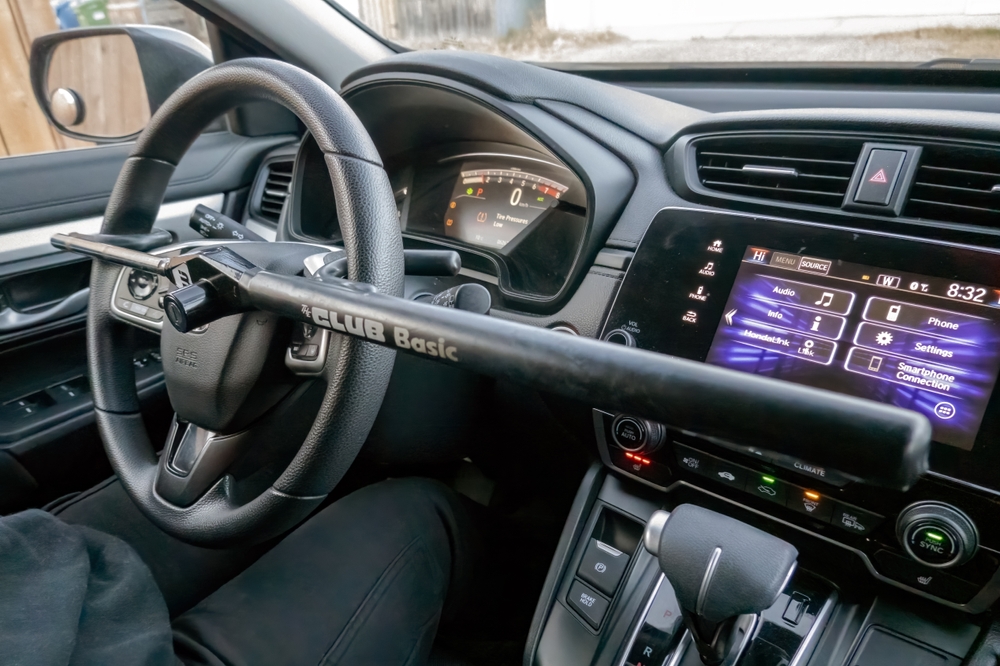
- Steering wheel locks and brake locks – Steering wheel locks make it difficult for thieves to drive away. Brake locks immobilize the brake pedal to deter thieves, helping safeguard the car by making unauthorized removal or operation harder. Both cost under $50 and are easy to install on almost any vehicle.
- Car alarms – Audible alarms activate loudly when thieves touch the vehicle, attracting attention and scaring off intruders. Many newer cars include these from the factory.
- Immobilizers and hidden kill switches – Immobilizers require the correct transponder key to start the engine. Hidden kill switches cut electricity flow to prevent theft by disabling the ignition or fuel system.
- GPS trackers and vehicle recovery systems – GPS tracking systems let vehicle owners and police track a car’s real-time location. Vehicle recovery systems use radio frequency technology for recovery. GPS trackers can even immobilize vehicles during theft attempts in some setups.
- Smart keys and remote lock systems – Newer security features like smart keys, remote locking, and subscription-based services (some can remotely disable the engine after a theft is reported) represent the latest anti-theft technologies.
Passive vs. Active Anti-Theft Systems
Passive systems activate automatically-no action required from the driver. Active systems need you to do something, like lock a bar or arm an alarm.
| Passive | Active | |
| Examples | Factory immobilizers, smart keys, auto-locking doors, automatic alarms | Steering wheel locks, brake locks, manual kill switches |
| How they work | Engage every time you turn off the car | Only protect the car when you remember to use them |
| Insurer preference | Often qualify for higher discounts | Typically earn smaller discounts |
Passive devices often yield higher discounts than active devices because insurers see them as more reliable-they don’t depend on driver behavior. Audible alarms deter thieves by attracting attention when triggered, whether passive or active. Brake locks immobilize vehicles, preventing unauthorized movement, but only when engaged.
Using both passive and active systems together provides strong, layered protection against car theft.
Factory-Installed vs. Aftermarket Anti-Theft Devices
Factory-installed devices come built into the vehicle at the time of manufacture-electronic immobilizers, smart keys, integrated alarms, and sometimes GPS modules. Steering wheel locks provide a visible deterrent against theft and are a popular aftermarket add-on.
Aftermarket options include add-on alarm systems, wheel clamps, hidden kill switches, plug-in GPS trackers, and subscription-based security service plans installed at electronics or security shops.
Insurers frequently view factory-installed systems as more standardized, which can lead to easier qualification for discounts. If you install aftermarket devices, keep receipts and installation certificates as proof, your insurer will need documentation before applying savings.
How Anti-Theft Devices Affect Car Insurance Premiums
Insurers classify vehicles with security devices as lower risk. Installing anti-theft devices can lead to reduced premiums on comprehensive coverage because carriers expect fewer theft claims from protected vehicles.
Carriers use local theft statistics, the value of the car, and installed security features when pricing coverage. The impact of anti-theft devices on premiums can vary by region and insurance trends-a driver in a high-theft ZIP code in Texas or Florida with an alarm plus GPS tracker may see more meaningful savings than someone in a low-theft rural area.
Discounts apply to the comprehensive premium, not liability or collision. So the total monthly savings depend on how much comprehensive coverage costs for that driver.
Why Insurers Offer Anti-Theft Discounts
Anti-theft devices lower theft risk and insurance claims. Fewer stolen vehicles and fewer claims mean lower costs for insurers, making it possible to reward drivers who invest in security features. Recovery assistance from devices like GPS trackers can minimize insurer payouts when a stolen vehicle is found quickly.
A 2015 study published in the Economic Journal found that the rollout of engine immobilizers from 1995 to 2008 reduced vehicle theft by about 40%-strong evidence that these technologies work.
Some states require insurers to offer anti theft discounts when certain approved devices are installed. Encouraging these security measures also leads to safer communities overall, which aligns with community-focused insurers like Acceptance Insurance.
Security Features That May Qualify for an Anti-Theft Discount
Discount eligibility varies by state and insurance provider. Each insurer maintains its own list, but many insurance companies look for:
- Factory electronic immobilizers and transponder key systems
- Integrated car alarms meeting audible-distance standards
- GPS trackers and vehicle recovery systems that use radio signals to locate stolen cars
- Smart key or push-button start with encryption
- Visible devices like steering wheel locks and wheel clamps (often when paired with electronic systems)
- VIN etching across multiple windows
GPS trackers can immobilize vehicles during theft attempts, which many carriers value highly. To confirm which devices qualify, check with Acceptance Insurance or a local agent in your state.
How Much Can You Save With Anti-Theft Discounts?
Anti-theft discounts can save you 5 to 25 percent off the comprehensive portion of your premium. Premium discounts typically range from 5% to 25% depending on the device and provider.
Here’s a simple calculation: if comprehensive costs $300 per year and you qualify for a 15% anti-theft discount, you’d save around $45 annually. For a higher-value vehicle with $1,200 in annual comprehensive costs, the same percentage saves $180.
Actual dollar savings depend on vehicle value, location, driving history, and your specific policy. Explore all available car insurance discounts to stack savings where you can.
Cost vs. Savings: Are Anti-Theft Devices Worth It?
Here’s how typical device costs compare to potential savings:
| Device | Approximate Cost | Typical Discount Tier |
| Steering wheel lock / brake lock | Under $50 | 5–10% |
| Basic GPS tracker | $40–$150 + possible monthly fees | 10–20% |
| Professionally installed alarm system | $200+ | 10–20% |
| Vehicle recovery system (e.g., LoJack) | $400–$700 + subscription | 15–25% |
Even a modest anti-theft discount can recoup a portion of these costs over several policy terms, especially for policyholders who keep the same car for years. Beyond money, the non-financial benefits matter: peace of mind, reduced hassle, and better odds of quick recovery if the car is taken.
Protect Your Vehicle and Save With Acceptance Insurance
Adding anti-theft devices to your vehicle can help reduce the risk of theft and may even qualify you for discounts on your auto insurance. At Acceptance Insurance, our licensed agents can help you understand which factory-installed or aftermarket security features may be eligible, review your current coverage, and find affordable protection that fits your needs and budget. Whether you’re upgrading your vehicle’s security or shopping for a new policy, we’re here to help you make informed decisions.
You can get a quote online, call us at 877-405-7102, or visit one of our offices in person for a friendly chat.
Frequently Asked Questions
Do I have to tell my insurer every time I install a new anti-theft device?
Yes. Notify your auto insurance company whenever you add a significant device like a GPS tracker, alarm, or kill switch. Insurers do not adjust premiums automatically-they need updated details and proof before any anti-theft discount is applied. Keep receipts and installer documentation handy.
Will my insurance go up if I don’t have any anti-theft devices?
Not having anti-theft devices usually means you miss out on possible discounts rather than seeing your premium increase above its current rate. However, drivers in higher-risk neighborhoods or with theft-prone models may be unable to access certain savings. Adding even one or two basic devices can help protect your car and potentially lower comprehensive costs. For more information about what causes car insurance rates to increase, check out our guide, “Why Is My Car Insurance Going Up?”
Does a dashcam count as an anti-theft device for car insurance?
Most insurers do not yet treat dashcams as qualifying anti-theft devices for discounts. Some carriers may view them favorably for claims handling, but a dashcam alone is unlikely to earn a specific anti-theft device discount. Check with Acceptance Insurance to see if a dashcam offers any indirect benefits on your policy.
If my car is stolen but later recovered, does comprehensive still help?
Yes. Comprehensive coverage can help pay for damage from the theft event- broken windows, damaged ignition, or missing parts. If repair costs exceed the car’s actual cash value, the insurer may declare it a total loss. Anti-theft devices like GPS trackers increase the odds of quicker recovery, which can sometimes reduce total damage.
Are anti-theft discounts available in every state?
Availability depends on state insurance rules and each company’s pricing guidelines. About 12 states require insurers to offer anti-theft discounts when approved devices are installed. If you have more questions about what’s available where you live, contact an Acceptance Insurance agent in any of the 14 states the company serves to find out exactly what savings apply.

Ready to Get a Quick Quote?

