
Does Car Insurance Cover Road Debris Damage?

Erandi García is an Acceptance Bilingual Senior Copywriter. With nearly 10 years of experience in content creation, her career has allowed her to explore the world through internat...

Monica Alarcon is a Senior Content Writer at Acceptance, where she ensures that every piece of content is accurate, clear, and consumer-focused. Her role combines writing with edit...

Rose Carter is an accomplished content strategist and marketing leader with a proven track record of creating impactful, results-driven content. With expertise in writing, editing,...
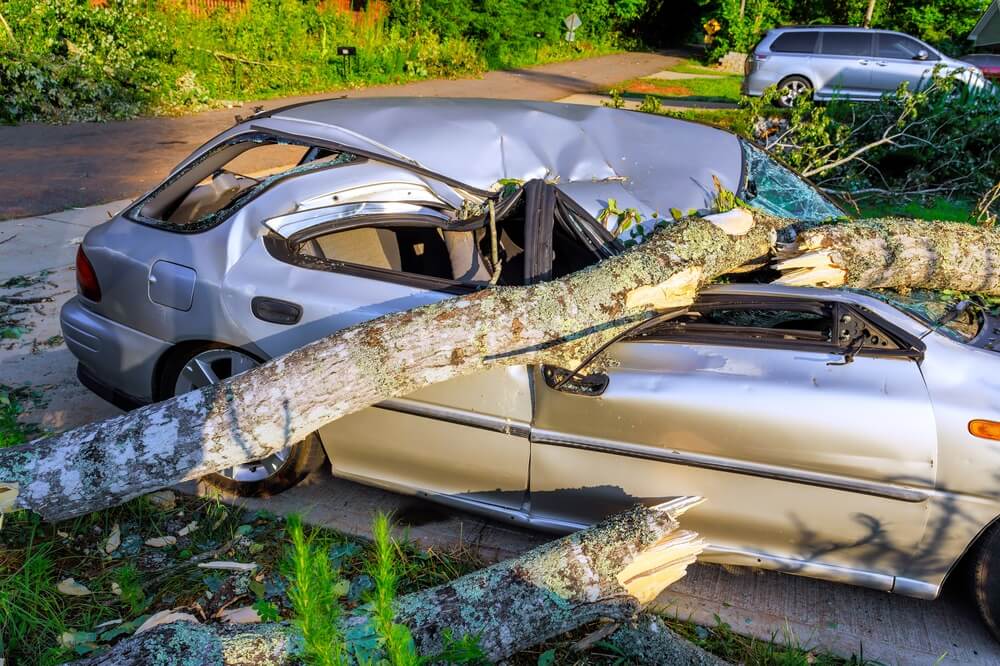
Car insurance may cover road debris damage, but the type of coverage that applies depends on how the damage happened and which coverages are on your policy. Flying debris that strikes your vehicle is handled differently from debris already lying in the roadway. Here’s what you need to know.
Key Takeaways
- When flying debris like a rock or falling ladder hits your car, comprehensive coverage may apply. When you hit debris already in the road, collision coverage is more likely to kick in.
- Liability car insurance generally does not pay to repair your own vehicle after road debris damage, though it may cover damage you cause to others.
- Deductibles often apply, and state rules, policy language, and how the debris struck your car all affect how an insurance claim is handled.
- If debris falls from another vehicle and you can identify the responsible party, that driver’s insurance may help cover vehicle repairs and medical expenses.
What Is Considered Road Debris?
Road debris is any foreign object or material on or above the roadway that can create a hazard or cause a car accident. Road debris includes small rocks, tire fragments, and larger objects like wood or metal parts.
Common examples include:
- Rocks and gravel kicked up by tires on highways
- Shredded tire treads scattered across interstates
- Tree branches fallen after storms
- Loose construction materials from work zones
- Cargo like ladders, mattresses, or furniture that falls into traffic lanes from trucks
There’s an important distinction between naturally occurring debris (like branches after heavy rain) and debris that comes from vehicles, such as unsecured loads from pickup trucks or commercial trucking companies’ trailers. Both flying debris (a stone launched by another vehicle’s tire) and stationary objects already in the road (a lost toolbox) count as road debris for insurance coverage purposes. Even smaller items like chunks of asphalt or plastic bumper pieces can cause tire or undercarriage damage that leads to a claim.
When Does Car Insurance Cover Road Debris Damage?
Coverage depends on how the damage happened and which car insurance coverages are on your policy. Insurance claims depend on whether debris was stationary or flying when contact occurred. Comprehensive coverage may apply if debris hits your vehicle. Collision coverage applies if you hit road debris. Policy terms, limits, and your deductible affect what the insurance company pays.
Liability coverage can come into play when another identifiable driver drops cargo or fails to properly secure a load, but proving fault is difficult if that vehicle leaves the scene.
When Road Debris Hits Your Car
When a rock cracks your windshield on the freeway, a tree limb falls on your parked car during a storm, or construction materials blow off a nearby truck and dent your hood, these events are usually treated as non-collision losses. Comprehensive coverage may apply, subject to your deductible and any special glass rules in your state. Comprehensive insurance typically covers damage from flying road objects and pays for non-collision vehicle damage like this.
If debris falls from an identifiable vehicle, you may also have the option of filing an insurance claim against that other driver’s liability coverage for repairs or medical bills.
Insurance companies view flying debris differently from debris already resting on the ground. Documenting how the debris hit your car with photos helps your insurance company classify the claim correctly.
When You Hit Road Debris
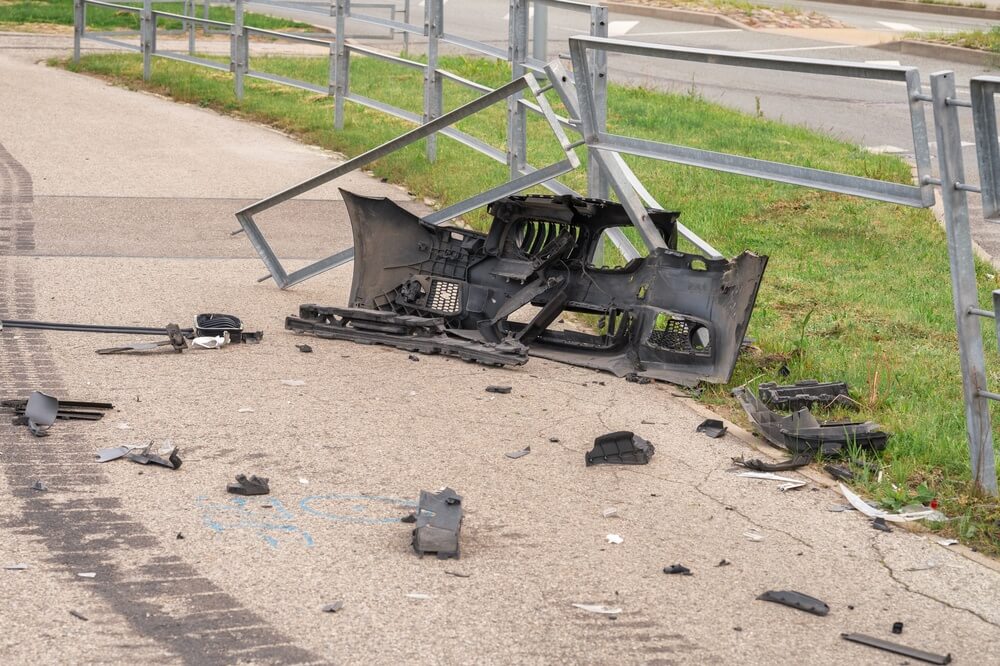
If you strike debris already in the road, such as running over a blown tire on the interstate or crashing into a fallen ladder, insurance companies commonly treat this as a collision loss. Collision coverage may help pay for torn bumpers, bent wheels, or punctured radiators, minus your collision deductible, even if no other vehicle made contact.
Damage from driving over smaller objects like scattered vehicle parts may also fall under collision coverage depending on how the policy defines a “collision.” Collision coverage covers damage from hitting another vehicle or object on the roadway.
If you carry only a liability policy, you’ll likely pay for these repairs out of pocket.
When You Swerve to Avoid Road Debris and Crash
A driver swerves to avoid a mattress in the lane and hits a guardrail, median, or another vehicle. Even though debris started the chain of events, insurers may treat the crash as a collision loss. If the safest choice is unclear, prioritize vehicle control over avoidance. Driving through minor debris is often safer than swerving abruptly, and avoiding sudden swerving can help you maintain control.
Medical payments coverage may help pay for medical expenses after an accident like this. Personal injury protection covers medical expenses and lost income if included on the policy. If another driver’s unsecured load caused the debris, their liability insurance may be relevant, but collecting usually requires identifying that driver.
Comprehensive vs. Collision Coverage for Road Debris
Both comprehensive and collision are optional physical damage coverages in most states. Lenders often require them for financed vehicles.
| Scenario | Coverage That May Apply |
| Flying Rock Damages Windshield | Comprehensive |
| Tree Branch Falls on Parked Car | Comprehensive |
| Driver Hits Tire Tread Already in Road | Collision |
| Driver Hits Ladder Lying in Lane | Collision |
| Driver Swerves and Hits Guardrail | Collision |
| Cargo Falls From Another Vehicle | Depends on Circumstances and Responsibility |
Individual policies and state rules vary. This table is a general guide, not a guarantee.
Deductibles typically apply to both comprehensive and collision claims. If your repair estimates are close to or below your deductible, filing a claim may not make financial sense.
What Types of Road Debris Damage May Be Covered?
Road debris can cause severe structural, mechanical, and cosmetic damage to vehicles. Common damages include punctured tires, cracked windshields, and dented body panels.
- Windshield Chips and Cracks from stones (often comprehensive)
- Tire Punctures and Blowouts from sharp items like nails and glass
- Undercarriage and Suspension Damage from striking larger debris hitting vehicle components (often collision)
- Bumper and Body Dents from objects in the road
- Broken Headlights or Mirrors from flying objects
Windshield and glass damage can result from flying stones or gravel. Some insurance companies offer separate glass coverage with lower deductibles. Significant damage can total an older car if repair costs approach its actual cash value, which matters if you’re driving a vehicle that’s already depreciated.
Does Liability Insurance Cover Road Debris Damage?
Liability Auto Insurance can help pay for damage and injuries you cause to other people and their property. It does not repair your own car after a road debris incident.
If you carry only minimum state-required liability coverage, damage from hitting debris, swerving into a guardrail, or a cracked windshield may not be covered. Medical Payments Coverage or personal injury protection, if included, may help with medical expenses for you and your passengers after a debris-related car accident. Uninsured motorist coverage may help pay for injuries caused by uninsured drivers, which could apply if an uninsured driver’s cargo causes your accident.
Drivers who can’t easily afford sudden repair costs may want to consider adding comprehensive and collision coverage, even with higher deductibles, to balance protection and monthly premiums. Acceptance Insurance agents can help review your existing coverage and explain what would and wouldn’t be covered in various debris scenarios.
Who Is Responsible If Debris Falls From Another Vehicle?
Responsibility for road debris damage often depends on whether someone failed to properly secure a load, maintain equipment, or clean up hazards, and whether that person or company can be identified. Drivers, commercial trucking companies, contractors, and even government agencies may be liable for debris from poor maintenance. Your own insurance coverage, especially comprehensive and collision, may still help pay for repairs. Your insurance company may then pursue reimbursement from the at-fault party.
Debris Falls Directly From a Vehicle
When a ladder slides off a pickup, furniture flies out of a trailer, or loose tools spill off a work truck, the driver or company that failed to secure cargo properly may be considered negligent. Their driver’s insurance could help pay for other drivers’ property damage, medical bills, and injuries. Trucking companies can be held accountable for unsecured cargo. Getting details like the license plate number, company name, or photos is critical.
Debris Was Already in the Road
When you hit debris already lying in the road, like an unclaimed tire tread or an unidentified bumper, finding who dropped it may be impossible. In these situations, drivers often rely on their own comprehensive or collision coverage depending on how the impact happened.
Insurers and courts typically won’t hold another random driver responsible for “kicking up” debris unless there is clear evidence of negligence. Filing a police or incident report and photographing the debris and damage can still help when working with your insurance company on a collision claim or comprehensive coverage claim.
Does Car Insurance Cover Windshield Damage From Rocks?
Rock chips and cracks are one of the most common road debris damage scenarios, especially on high-speed roads and near construction zones. Damage from a rock or small object hitting your windshield is often handled under comprehensive coverage as flying debris.
Repair costs for small chips may fall below your comprehensive deductible, but some states and insurance companies waive or reduce the deductible for windshield repairs.
Should You File an Insurance Claim for Road Debris Damage?
Whether to file a claim is a personal financial choice. Consider these factors:
- The size and location of the damage
- Estimated repair cost from a trusted shop
- Your comprehensive or collision deductible amount
- Whether another driver or company may be the responsible party
- How an insurance claim might affect your premiums
For minor damage that costs only slightly more than the deductible, some drivers prefer to pay out of pocket to avoid a potential premium increase from frequent small claims. For major body damage, multiple broken parts, or injuries that create medical expenses, filing can protect your savings and may provide access to rental reimbursement. Contact your insurance company or local agent before deciding so you understand how a debris-related claim might be categorized.
What Should You Do After Road Debris Damages Your Car?
We recommend following these steps after road debris accidents:
- Move to a safe location away from traffic if possible. Turn on hazard lights and check for injuries to yourself and passengers.
- If necessary, inspect the vehicle for damage after hitting debris.
- Take photos of the damage, debris, skid marks, and the surrounding scene when it is safe. Note the time, location, weather, and traffic conditions.
- Collect information about any involved vehicles, including license plates and company names. Consider a police report if the incident causes injuries, major damage, or blocked lanes.
- Review your car insurance policy to confirm what comprehensive coverage, collision coverage, and medical payments or personal injury protection you carry, then contact your insurance company to discuss next steps.
How Can You Reduce the Risk of Road Debris Damage?
While drivers can’t control every hazard, smart habits can help lower the chances of damage.
- Maintaining a safe following distance behind trucks and other vehicles with cargo helps you react to falling debris.
- Scanning the road continuously allows drivers to spot hazards early. Stay alert and maintain focus on the road to avoid missing shifting hazards.
- Avoid driving directly behind vehicles with obviously unsecured loads. Change lanes or adjust speed when safe.
- Properly inflated tires are more resilient against impacts from road hazards. Keeping suspensions in good condition also helps your vehicle handle minor impacts.
- If you can’t avoid debris, slow down gradually rather than swerving sharply. Driving through minor debris is often safer than making an abrupt lane change.

Get Auto Insurance Coverage With Acceptance
Road debris can appear without warning, whether it’s a rock hitting your windshield, tire debris in your lane, or cargo falling from another vehicle. Having the right auto insurance coverage can help you prepare for unexpected damage on the road.
Acceptance can help you explore available coverage options, including comprehensive and collision coverage. Get a quote, call 877-405-7102, or find an Acceptance location near you to speak with an agent about coverage that fits your needs and budget.
FAQs About Car Insurance and Road Debris
Does Car Insurance Cover Damage From Hitting Something in the Road?
Damage from hitting an object already in the roadway, like a tire tread, ladder, or metal piece, is typically handled under collision coverage if you carry it. A liability-only policy probably won’t pay to repair your own vehicle. Check your collision deductible and talk with an agent about how such a collision claim might affect future premiums.
Can I Use Comprehensive Coverage If a Storm Knocks Debris Onto My Car?
When a storm or high winds cause tree branches, signs, or other debris to fall onto your vehicle, many insurers treat this as a comprehensive coverage claim. Document weather conditions and damage with photos, note any local weather alerts, and report the loss promptly to your insurance company.
What Happens If Debris Damages My Car While I’m Driving for Work?
If you’re driving a personal car for work-related tasks, your personal auto insurance may apply first. Your employer’s commercial policy could also be involved depending on company rules. Drivers using company-owned vehicles may need to file through the employer’s commercial auto insurance. If you frequently drive for work, ask both your employer and your insurance company which policy covers a road debris incident.
Does Hitting Road Debris Count As an Accident on My Record?
Many insurers treat a collision with road debris as an at-fault accident for rating purposes, which can affect premiums. Some may classify unavoidable debris events differently, especially when debris suddenly falls or flies into the vehicle. Ask your insurance company how a specific claim will be coded and how long it may stay on your record.

Ready to Get a Quick Quote?

